Guides · Apalachicola, Florida
Visiting Apalachicola in Hurricane Season: What to Know
Apalachicola has spent nearly two centuries learning to live with heat, water, and the storms that arrive with both. Hurricane season is not a reason to postpone a visit; it is a reason to understand the town on its own terms.
Apalachicola's History of Weather and Adaptation
The settlement that became Apalachicola was incorporated as West Point in 1828 and took its current name in 1831. Before that it was called Cottonton—three names in three decades, a small sign of a place still deciding what it was. What it became was a port town built on commodities that depended on weather and water: timber, sponges, and oysters.
Sponging was a mainstay from the mid-1870s, with 16 sponge vessels working in 1879 and between 80 and 120 men employed in the trade by 1895. Oysters were sold locally as early as 1836, and the Ruge Brothers Canning Company was established in 1885 by Herman Ruge and his sons. Timber commerce rose from $2,000,000 in 1898 to $13,324,000 in 1903, and the first Apalachicola Northern Railroad engine reached town on 30 April 1907.
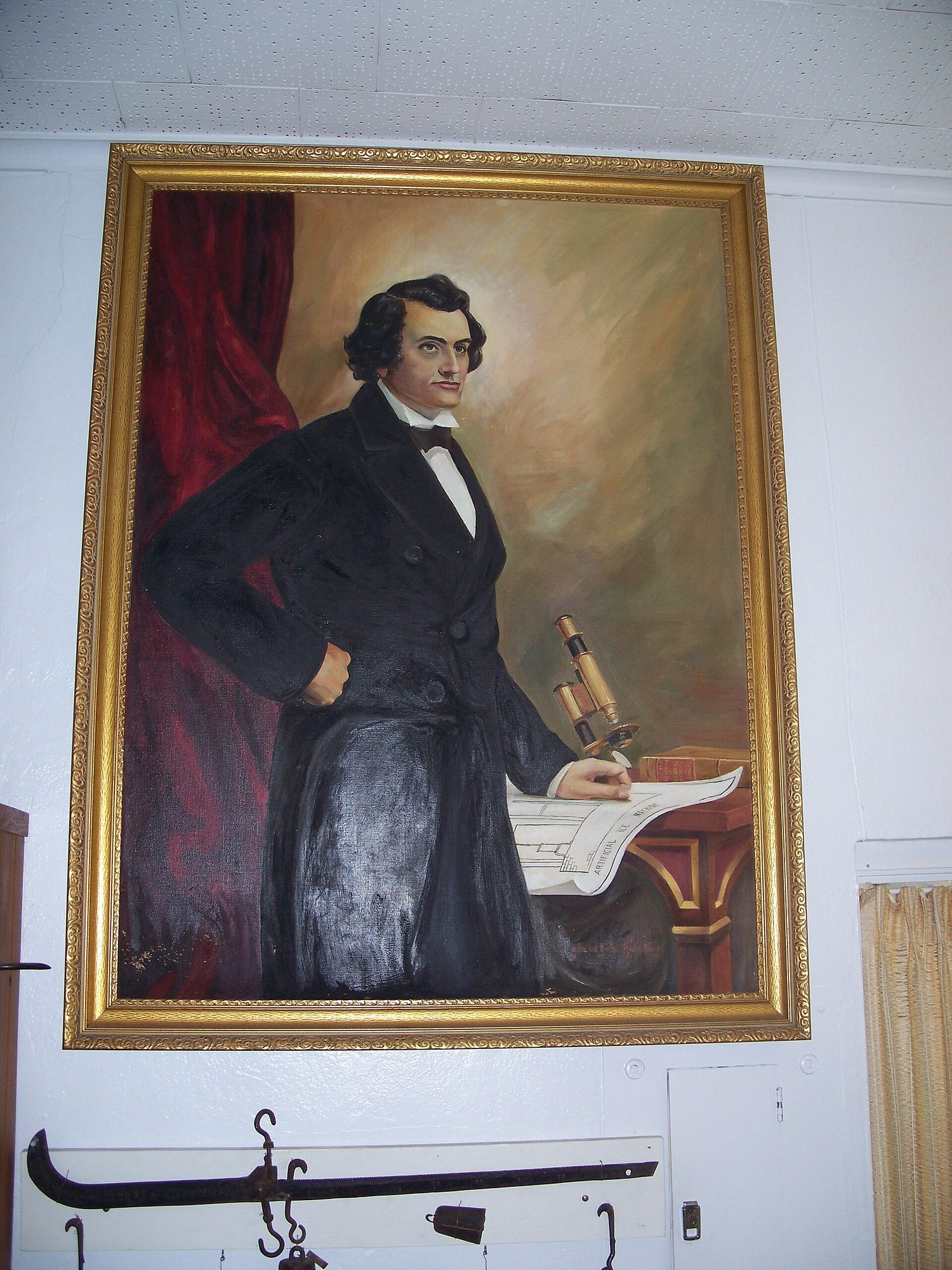
But the defining weather event came earlier. In 1841, a yellow fever outbreak led Dr. John Gorrie (1803–1855) to cool sickrooms with ice, then to build a mechanical ice-making machine. He received an 1851 patent for mechanical refrigeration. The town's history of adaptation begins there: a doctor fighting fever in a low-lying port built a machine to manufacture cold. He is recognised as the father of air conditioning and refrigeration.
Hurricane Season in Apalachicola: Travel Tips and Safety
June through November is hurricane season. The practical question is not whether storms will happen, but how the town operates when they threaten. Apalachicola is low-lying, and storm surge is a real risk. During storm watches, the town functions on advisories: businesses adjust, events are postponed or cancelled, and visitors should have flexible plans.
Local attitudes are shaped by generations of experience. The town has weathered hurricanes before and will again. For a visitor, the season means lower crowds, potential weather interruptions, and the need to check forecasts daily. It is not a reason to avoid the town; it is a reason to plan with margins.
Battery Park and the River in Storm Season
Battery Park, at the mouth of the Apalachicola River, is the town's waterfront green. In storm season, it is the place where the river meets the Gulf, and it shows the weather plainly. The park is also the ground on which the Florida Seafood Festival is held—a two-day event billed as Florida's oldest maritime event, drawing tens of thousands. The 2026 edition, on 6–7 November, is the 63rd annual.
That timing is deliberate: November sits at the tail end of hurricane season, when the worst of the heat has passed and the water is still workable. The festival is the season's capstone, not its interruption. Before November, the waterfront is quieter, and the park is a place to watch the river and the sky rather than a crowd.
Indoor Things to Do in Apalachicola on Rainy Days
When rain or heat pushes you indoors, Apalachicola has shelters that are also landmarks. The John Gorrie Museum State Park on Sixth Street was built to commemorate Gorrie's invention. The site was donated to the State of Florida in 1955, and the one-storey brick museum building was constructed in 1957.
Also on Market Street is Orman House Historic State Park, whose grounds include the Chapman Botanical Garden and the Three Soldiers Detail South memorial. Both museums offer a full afternoon of shelter from the elements, with the Gorrie Museum being the more thematically appropriate choice on a hot day.
Nearby Towns to Visit During Hurricane Season
Nearby towns offer their own seasonal events, but none sit closer to the Gulf's weather patterns than Apalachicola. St. George Island, 9 miles away, hosts the Chili Cook-Off. Port St. Joe, 23 miles away, has the Florida Scallop, Music & Arts Festival. Perry, 101 miles away, holds the Florida Forest Festival; Steinhatchee, 112 miles away, the Fiddler Crab Festival; Cedar Key, 141 miles away, the Cedar Key Seafood Festival; and Dade City, 215 miles away, the Kumquat Festival.
For a storm-season trip, the closer towns share the same weather risks. The farther ones—Perry, Steinhatchee, Cedar Key, Dade City—offer inland or Gulf-adjacent alternatives with different storm exposure. But none have Apalachicola's combination of a working waterfront, a history of weather adaptation, and a museum dedicated to the man who invented air conditioning.
Planning Your Visit: Data, Costs, and Timing
The census data gives a clear picture of the town's character. Population is 2,304, with a median age of 51.8 years. Of 1,506 total housing units, 191 are held for seasonal or recreational use, and 323 are vacant. Median home value is $247,900; median gross rent is $1,235. Median household income is $61,083, the unemployment rate is 5.8 percent, and 32.9 percent of residents hold a bachelor's degree or higher.
| Hurricane-Season Events and Distances from Apalachicola | ||
|---|---|---|
| Event / Town | Distance from Apalachicola | Typical Timing |
| Florida Seafood Festival (Apalachicola) | 0 miles | 6–7 November 2026 (63rd annual) |
| St. George Island Chili Cook-Off | 9 miles | varies |
| Florida Scallop, Music & Arts Festival (Port St. Joe) | 23 miles | varies |
| Florida Forest Festival (Perry) | 101 miles | varies |
| Fiddler Crab Festival (Steinhatchee) | 112 miles | varies |
| Cedar Key Seafood Festival | 141 miles | varies |
| Kumquat Festival (Dade City) | 215 miles | varies |
Is it safe to visit during hurricane season? Yes, with vigilance. The best indoor activities are the Gorrie and Orman museums. The Florida Seafood Festival sits at the season's end, in November, by design. The town's history is one of responding to weather—fever, heat, and storms—with invention and patience. Plan accordingly, and you will see the town as it actually is.
Common questions
- What is Apalachicola known for historically?
- Apalachicola is known for Dr. John Gorrie, who built a mechanical ice-making machine after an 1841 yellow fever outbreak. He received an 1851 patent and is recognized as the father of air conditioning and refrigeration. The John Gorrie Museum State Park commemorates this.
- When is hurricane season in Apalachicola?
- Hurricane season typically runs from June through November. The Florida Seafood Festival, held at Battery Park on November 6-7, 2026, falls within this period. Check local forecasts before traveling, as storms can affect the area.
- What are the main attractions in Apalachicola?
- Key sites include the John Gorrie Museum State Park on Sixth Street, Orman House Historic State Park on Market Street with its Chapman Botanical Garden, and Battery Park at the river mouth. Battery Park hosts the Florida Seafood Festival, the state's oldest maritime event.
- How big is Apalachicola?
- The population is 2,304 people, with a median age of 51.8 years. There are 1,506 housing units, of which 323 are vacant and 191 are for seasonal or recreational use. The median home value is $247,900, and the median gross rent is $1,235.
- What is the Florida Seafood Festival like?
- It's a two-day event at Battery Park, billed as Florida's oldest maritime event, drawing tens of thousands. The 2026 edition, on November 6-7, is the 63rd annual. It's held at the mouth of the Apalachicola River.
- Can I visit nearby towns from Apalachicola?
- Yes. St. George Island is 9 miles away, Port St. Joe 23 miles, Perry 101 miles, Steinhatchee 112 miles, Cedar Key 141 miles, and Dade City 215 miles. Each has its own festival, like St. George Island's Chili Cook-Off or Cedar Key's Seafood Festival.
Every business named above is one we hold a listing for, and every date traces to a source on our sources page. We do not describe menus, interiors or service we have not verified. Details change — confirm before you travel.