Guides · Apalachicola, Florida
Where to Eat Seafood in Apalachicola
The oysters were sold here in 1836, before the town had settled on its own name; the seafood trade is older than the city, and it has outlasted every boom that followed.
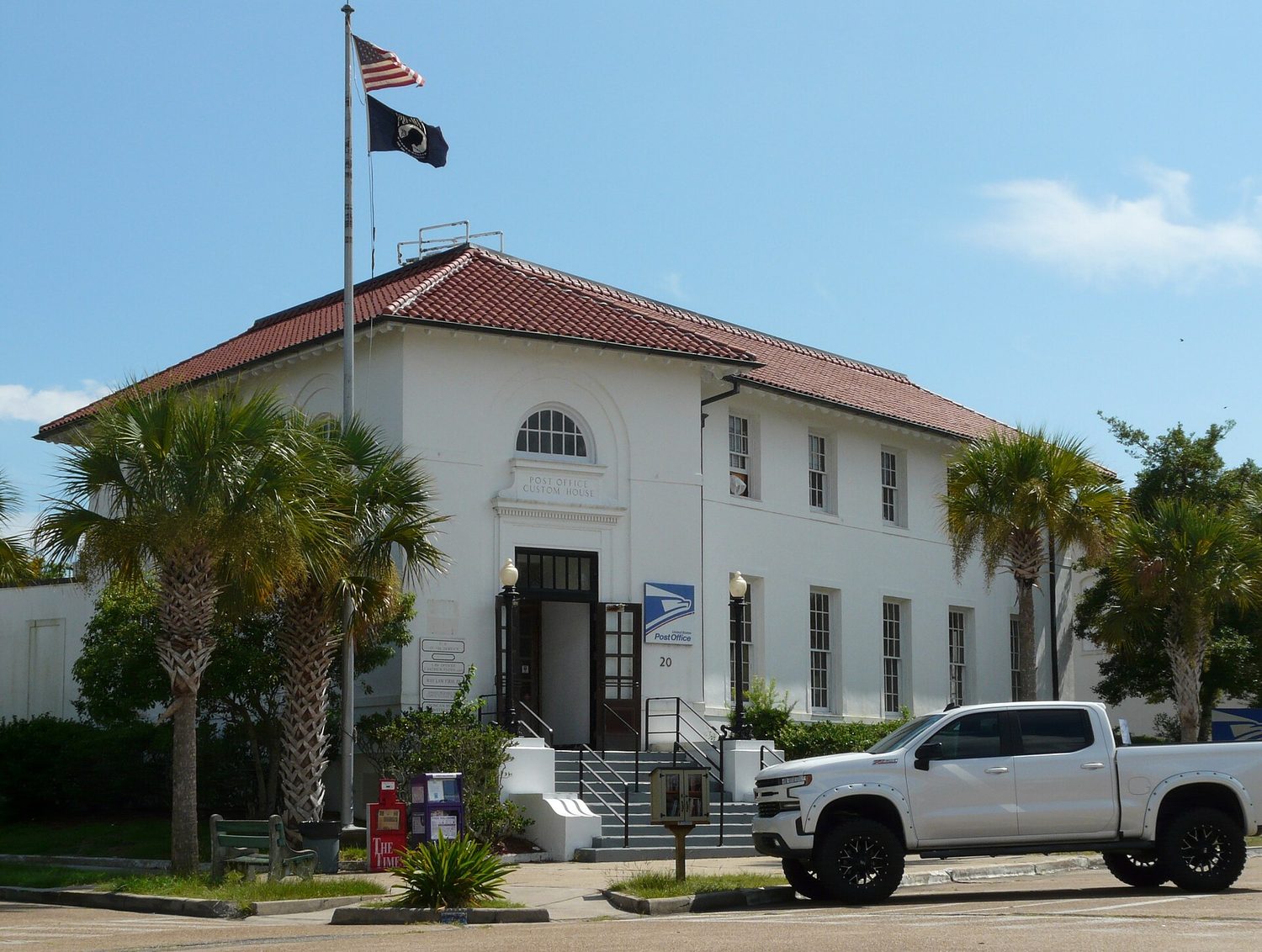
The Trade Before the Restaurants
Apalachicola did not grow around restaurants. It grew around water. The town carried three names in as many decades—Cottonton, then West Point on incorporation in 1828, then Apalachicola from 1831—and by 1836, oysters were already being sold locally. The Ruge Brothers Canning Company was established in 1885, and the trade has never really left the waterfront.
That history matters when you sit down to eat. The seafood here is not a garnish on a tourist economy. It is the reason the town exists at all.
The Waterfront Standards
The two big anchors sit close together on Market Street. Apalachicola Seafood Grill, at 100 Market St, holds a 4.2 rating from 1,689 reviews. Half Shell Dockside, at 301 Market St, matches that 4.2 rating with 1,551 reviews. Both are serious operations, the kind that serve a crowd and keep serving them.
We will not tell you which is better. That is a matter of taste, and the numbers are too close to settle it. What we can say: both are on the main drag, both are seafood-first, and both have enough reviews to suggest they are doing something right. If you are here for a single meal and want the safest bet, either will do. If you are here for two, you have your itinerary.
The Market, Not the Restaurant
The outlier is 13 Mile Seafood Market at 227 Water St. Rated 4.8 from 277 reviews, it is the highest-rated seafood business in town by a wide margin. It is also a market, not a restaurant. That distinction matters.
This is where you go to buy the raw product, not to have it cooked for you. The rating suggests the quality is exceptional, and the review count—modest but consistent—suggests a loyal local base. If you are staying in one of the town's 191 seasonal or recreational housing units, this is your move. Buy what looks good, cook it yourself, and understand that you are doing what Apalachicola residents have done for nearly two centuries.
The Unknown Quantity
The fourth option is Water Street Seafood Oyster at 592 US-98, rated 4.4 from just 7 reviews. We will be straight with you: seven reviews is not a sample size. It could be a hidden operation that locals love. It could be new. It could be inconsistent.
What we do know is that it sits on US-98, which puts it on the edge of town rather than the center. If you have time and curiosity, it is worth a stop. But do not make it your only stop. The 4.4 rating is encouraging; the 7 reviews are not evidence of anything.
A Note on the Town Itself
Apalachicola has 2,304 people and a median age of 51.8. More than 32 percent of residents hold a bachelor's degree or higher, and the median home value is $247,900. The unemployment rate is 5.8 percent.
The town is small, older, and—by the housing numbers—partly given over to seasonal use. That is not a criticism. It is context. The seafood you eat here is filtered through a town that has seen its economy shift from sponging to timber to canning to tourism.
The sponge trade peaked in the late 19th century, with 16 vessels working in 1879 and up to 120 men employed by 1895. The timber boom was brief and violent, rising from $2 million in 1898 to over $13 million in 1903. The first Apalachicola Northern Railroad engine arrived on 30 April 1907, tying the town to the national market.
What survived all of it was the water.
The Festival
If you want the full context, come for the Florida Seafood Festival at Battery Park, on the ground at the mouth of the Apalachicola River. The 2026 edition, on 6–7 November, is the 63rd annual. It is billed as Florida's oldest maritime event, and it draws tens of thousands to a town of 2,304.
That is the arithmetic of Apalachicola. The population is small, but the pull is regional. The festival is not a side note; it is the town's public face, held on the same waterfront that has fed it since before the Civil War.
The Cold History
Dr. John Gorrie practised medicine here. In 1841, a yellow fever outbreak led him to cool sickrooms with ice, then to build a mechanical ice-making machine. He received a patent in 1851 and is recognised as the father of air conditioning and refrigeration.
The John Gorrie Museum State Park on Sixth Street commemorates him. The site was donated to the state in 1955, and the brick museum building went up in 1957.
Why does that matter for a seafood guide? Because the ice that made refrigeration possible—that made the long-distance seafood trade viable—was invented in this town. The cold chain that gets oysters from Apalachicola to the rest of the country started here, in a doctor's frustration with fever.
Eat the seafood. But know what you are eating into. This is a town that solved the problem of keeping things cold before anyone else, and it has been shipping what the water gives it ever since.
Every business named above is one we hold a listing for, and every date traces to a source on our sources page. We do not describe menus, interiors or service we have not verified. Details change — confirm before you travel.