Guides · Apalachicola, Florida
Apalachicola in Winter: What to See & Do
Apalachicola in winter is the town without its seasonal costume—a working waterfront where the cold months that once drove a doctor to build an ice machine now reveal the place as it actually operates.
Why Apalachicola Invented Air Conditioning
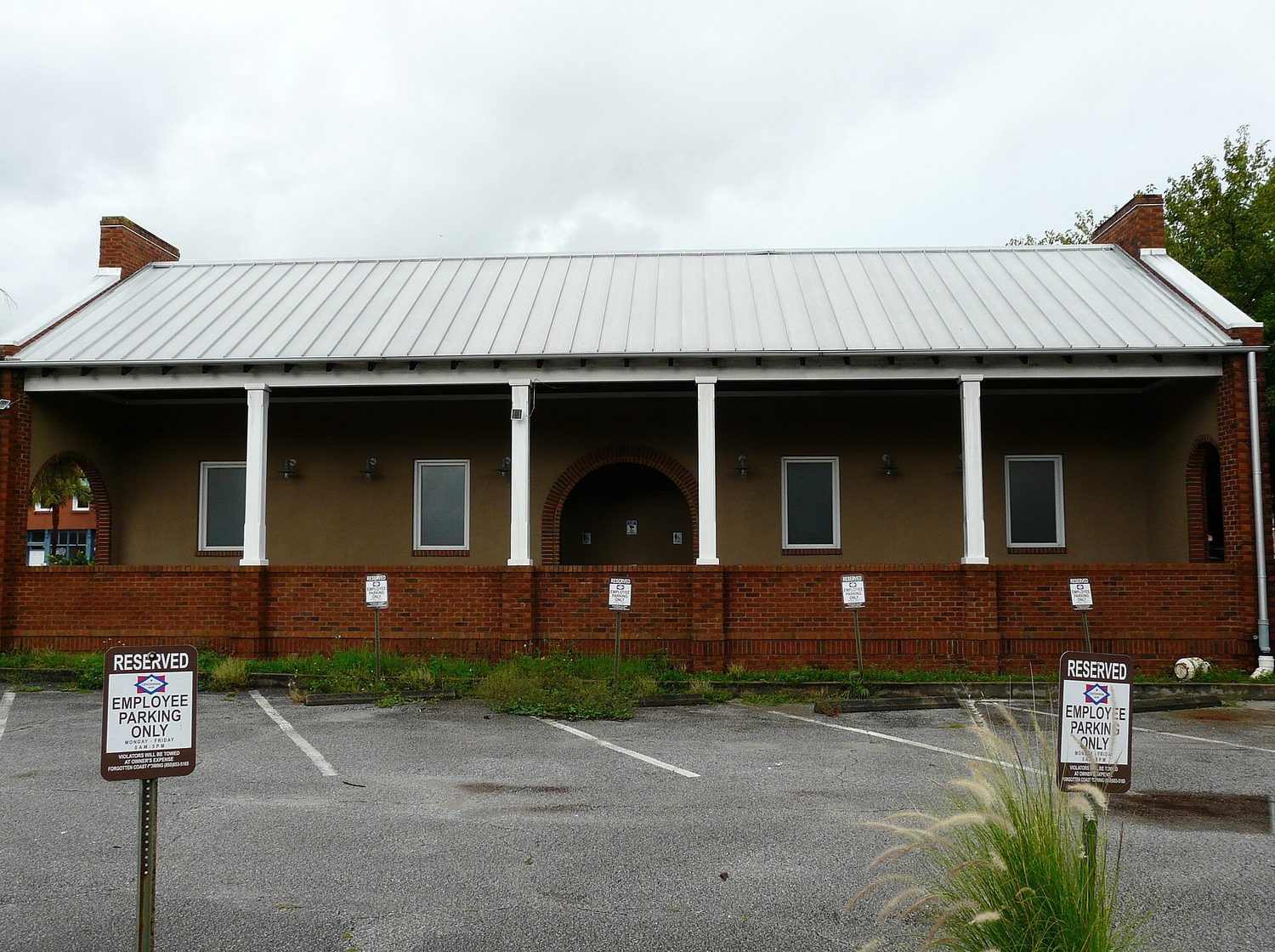
Dr. John Gorrie (1803–1855) practised medicine here when the 1841 yellow fever outbreak hit. The humid heat of Apalachicola's summers made sickrooms unbearable, so he began cooling them with ice, then built a mechanical ice-making machine. He received an 1851 patent for mechanical refrigeration. The one-storey brick museum building at John Gorrie Museum State Park on Sixth Street was constructed in 1957, after the site was donated to the State of Florida in 1955. It stands to commemorate the invention. Gorrie is recognised as the father of air conditioning and refrigeration. Winter is the season that makes his problem comprehensible: the town's cold months are short, and the rest of the year is not.
Winter at Battery Park: Watching the Working Waterfront
Battery Park, at the mouth of the Apalachicola River on Bay Avenue, is the town's waterfront green. In November it hosts the Florida Seafood Festival, billed as Florida's oldest maritime event—a two-day gathering that draws tens of thousands. The 2026 edition runs 6–7 November, the 63rd annual. After that, the park goes quiet. In winter, it is a place to watch shrimping boats and oyster boats work the river, not a spectacle. The park's 4.5 rating from 555 reviews reflects its function as a working vantage point, not a resort amenity.
Apalachicola's Winter Economy: Oysters, Sponges & Timber
The town's winter rhythm is set by industries that do not close for season. Oysters were sold locally as early as 1836. The Ruge Brothers Canning Company was established in 1885 by Herman Ruge and his sons. Sponging was a mainstay from the mid-1870s: 16 sponge vessels worked in 1879, and by 1895 between 80 and 120 men were employed in the trade. Timber commerce rose from $2,000,000 in 1898 to $13,324,000 in 1903, and the first Apalachicola Northern Railroad engine reached town on 30 April 1907. These are not historical footnotes; they are the economic spine that keeps the waterfront active when the seasonal visitors leave.
Best Winter Restaurants in Apalachicola
The restaurants that stay open through winter are the ones serving the people who live here year-round. Ratings and addresses below. Note that some places may reduce hours in the off-season.
| Restaurant | Rating (out of 5) |
|---|---|
| The Biscuit Factory | 4.8 |
| The Station Raw Bar | 4.6 |
| Izzy's Cafe | 4.6 |
| Battery Park | 4.5 |
| Dolore's Sweet Shoppe | 4.5 |
| Hole In The Wall Seafood And Raw Bar | 4.4 |
| Owl Café | 4.3 |
| The Tap Room | 4.3 |
| Hong Kong Bistro | 4.3 |
| Tamara's Café | 4.1 |
| The Franklin Café | 3.8 |
| Up To No Good Tavern | 3.7 |
| Subway | 3.7 |
| Burger King | 2.4 |
Historic Sites & Quiet Winter Streets
Orman House Historic State Park on Market Street includes the Chapman Botanical Garden and the Three Soldiers Detail South memorial. In winter, the garden is sparse but walkable, and the grounds are uncrowded. Lafayette Park on Avenue B offers a local green space without the river traffic. Both are suited to the kind of slow walking the season allows. The John Gorrie Museum is the other stop, and it is the more essential one—it explains why this town matters to the history of cooling.
What Winter Numbers Say About the Town
The census data makes the seasonal character explicit. Population is 2,304 people, with a median age of 51.8 years. Of 1,506 total housing units, 191 are held for seasonal or recreational use, and 323 are vacant. Median home value is $247,900; median gross rent is $1,235. Median household income is $61,083, with an unemployment rate of 5.8 percent. Bachelor's degree or higher: 32.9 percent. These numbers describe a small, older, permanent population that absorbs a modest seasonal influx. Winter is when the 191 seasonal homes sit empty and the 323 vacant units stay vacant. The town's character is not hidden in summer; it is simply more legible in January.
Apalachicola in winter is worth visiting precisely because it is not performing. The waterfront works. The restaurants serve regulars. The museum explains the heat that built a machine. The town's history is not a backdrop; it is the operating system. Come in the cold months and you will see the place as it is, not as it markets itself.
Common questions
- What is there to do in Apalachicola in winter?
- Visit the John Gorrie Museum State Park, built in 1957 to commemorate his 1851 patent for mechanical refrigeration. Orman House Historic State Park and Battery Park are open year-round. The Florida Seafood Festival, however, is held in November, not winter.
- Is the Florida Seafood Festival in winter?
- No. The 63rd annual Florida Seafood Festival is on 6-7 November 2026, at Battery Park. It is billed as Florida's oldest maritime event and draws tens of thousands. Winter months are December through February.
- Where can I eat seafood in Apalachicola?
- The Station Raw Bar on Market Street is rated 4.6 from 1211 reviews. Hole In The Wall Seafood And Raw Bar on Ave D is rated 4.4. Owl Café on Ave D is rated 4.3. All serve local oysters, a trade here since 1836.
- What is the history of ice-making in Apalachicola?
- Dr. John Gorrie, a physician, built a mechanical ice-making machine after an 1841 yellow fever outbreak, to cool sickrooms. He received a patent in 1851 and is recognized as the father of air conditioning and refrigeration. The museum on Sixth Street commemorates this.
- How many people live in Apalachicola?
- The population is 2,304 people, with a median age of 51.8 years. There are 1,506 housing units, of which 191 are for seasonal or recreational use. The median home value is $247,900.
- What parks are in Apalachicola?
- Battery Park at the mouth of the Apalachicola River is the waterfront green and hosts the Florida Seafood Festival. Orman House Historic State Park includes the Chapman Botanical Garden. Lafayette Park on Avenue B is another option. John Gorrie Museum State Park is on Sixth Street.
Every business named above is one we hold a listing for, and every date traces to a source on our sources page. We do not describe menus, interiors or service we have not verified. Details change — confirm before you travel.