Guides · Apalachicola, Florida
Apalachicola or St. George Island: Which to Visit
Apalachicola shipped ice before it shipped oysters. That sequence matters more than any beach.
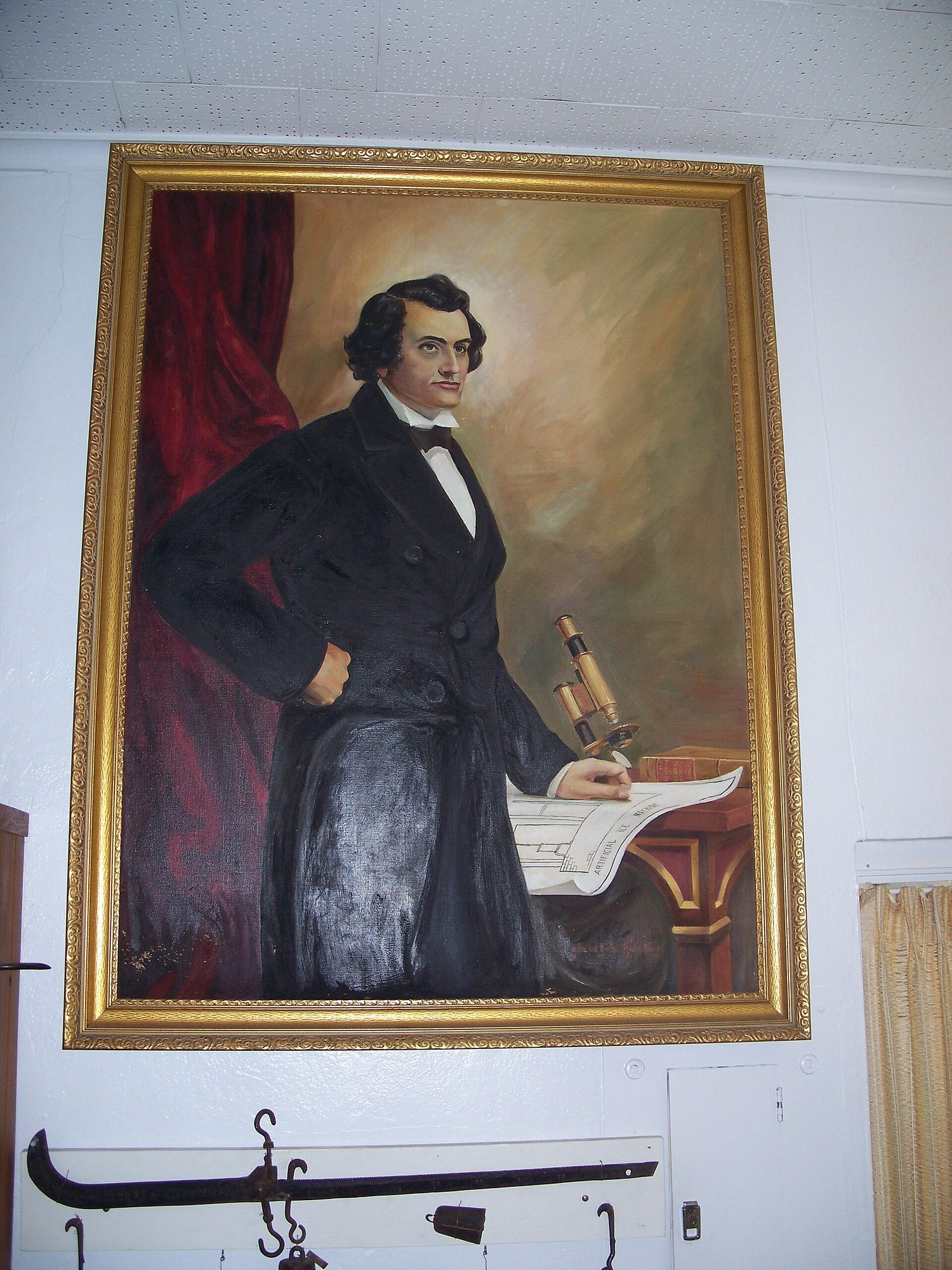
Why Apalachicola Invented Air Conditioning
In 1841, yellow fever swept through Apalachicola and killed enough patients that Dr. John Gorrie (1803–1855) began experimenting with cooling sickrooms. He hung ice in basins above the beds, then built a machine to make ice mechanically. He received an 1851 patent for mechanical refrigeration. The invention is why the museum exists.
John Gorrie Museum State Park on Sixth Street commemorates him. The site was donated to the State of Florida in 1955, and the one-storey brick museum building was constructed in 1957. It is a small, deliberate building for a large, improbable idea—a doctor on the Gulf Coast inventing cold because fever would not wait for a ship.
Apalachicola's History: From Cottonton to Its Current Name
The settlement carried three names in as many decades. It was first Cottonton, then West Point when incorporated in 1828, and finally Apalachicola from 1831. The renaming tracks the town's ambitions: a cotton landing, a would-be port, and then a permanent name tied to the river itself.
The name changes are not trivia. They map the shift from an inland plantation economy to a riverfront trading town, which is the same shift that later made oysters and timber the local currency.
Oysters, Sponges, and Timber: How Apalachicola's Waterfront Was Built
Oysters were sold locally as early as 1836, and the Ruge Brothers Canning Company was established in 1885 by Herman Ruge and his sons. That was the industrial anchor. Sponging ran alongside it—Apalachicola had 16 sponge vessels working in 1879, and by 1895 between 80 and 120 men were employed in the trade.
Timber was the third pillar, and it was the largest. Commerce rose from $2,000,000 in 1898 to $13,324,000 in 1903. The first Apalachicola Northern Railroad engine reached the town on 30 April 1907, which turned a river port into a rail depot and made the timber boom permanent.
Battery Park & the Florida Seafood Festival: What to Expect
Battery Park sits at the mouth of the Apalachicola River. It is the town's waterfront green, and it is the ground on which the Florida Seafood Festival is held. The festival is billed as Florida's oldest maritime event, a two-day affair that draws tens of thousands. The 2026 edition, on 6–7 November, is the 63rd annual.
The festival is not a contrived attraction. It is the direct descendant of the oyster and shrimp trades that built the waterfront, and it happens on the same ground where those boats once unloaded.
Apalachicola Demographics: Population, Income, and Housing
The census data shows a town that is small, older, and stretched between heritage and cost. Population is 2,304 people. Median age is 51.8 years. Median household income is $61,083, and the unemployment rate is 5.8 percent.
Housing tells a sharper story. There are 1,506 total housing units, of which 323 are vacant. 191 are held for seasonal or recreational use. Median home value is $247,900, while median gross rent is $1,235. A town with 32.9 percent of residents holding a bachelor's degree or higher, a high home value relative to income, and a fifth of its housing sitting empty or seasonal—that is a place balancing history with pressure.
Apalachicola vs. St. George Island: Which Florida Destination Is Right for You?
St. George Island is nine miles away. It has beaches. Apalachicola has the river, the museums, and the history. You can do both in a day, but the question is which one you want to be the point of the trip.
If you want to swim, drive to St. George Island and stay there. If you want to understand what built the Gulf Coast, stay in Apalachicola and take a short drive to the beach when you need saltwater. For day trips, the surrounding towns extend the range: Port St. Joe is 23 miles away, and Cedar Key is 141 miles. Apalachicola is the better base for anyone who wants context, not just sand.
| Factor | Apalachicola | St. George Island |
|---|---|---|
| Distance from each other | — | 9 miles |
| Main attraction | History, museums, riverfront | Beaches, swimming |
| Water access | River at Battery Park | Gulf beach |
| Cultural sites | John Gorrie Museum, Orman House | Limited |
| Annual event | Florida Seafood Festival (Nov. 6–7, 2026) | Chili Cook-Off |
| Best for | History-focused travelers | Beach-focused travelers |
| Day-trip potential | Strong (Port St. Joe, Cedar Key) | Moderate |
Orman House Historic State Park on Market Street rounds out the historical side, with grounds that include the Chapman Botanical Garden and the Three Soldiers Detail South memorial. It is another reason to make Apalachicola the center of a Gulf Coast trip rather than a stopover.
The town is not a beach resort. It is a working river port with a doctor’s invention, a canning company, and a railroad history that outlasted all three. That is the depth St. George Island cannot match, and it is exactly why you should go.
Common questions
- What is Apalachicola known for historically?
- Apalachicola is known for its 19th-century industries: sponging from the mid-1870s, oyster canning from 1885, and a timber boom that peaked at $13.3 million in 1903. It is also the home of Dr. John Gorrie, who invented mechanical refrigeration in 1851.
- Who was Dr. John Gorrie and why is he important?
- Dr. John Gorrie practiced medicine in Apalachicola. After an 1841 yellow fever outbreak, he built an ice-making machine to cool sickrooms. He received an 1851 patent for mechanical refrigeration and is considered the father of air conditioning and refrigeration.
- What can I see at the John Gorrie Museum State Park?
- The museum is a one-story brick building on Sixth Street, constructed in 1957 on land donated to the state in 1955. It commemorates Gorrie's 1851 refrigeration patent.
- What is the Florida Seafood Festival and when is it?
- The Florida Seafood Festival is billed as Florida's oldest maritime event, held at Battery Park at the mouth of the Apalachicola River. It is a two-day event drawing tens of thousands; the 2026 edition is on November 6-7, the 63rd annual.
- What are the demographics of Apalachicola?
- The population is 2,304 with a median age of 51.8 years. Median household income is $61,083; median home value is $247,900. 32.9% of residents have a bachelor's degree or higher.
- Is Apalachicola a good place for a day trip from St. George Island?
- Yes, St. George Island is 9 miles away. Apalachicola offers historic sites like the Orman House State Park and Battery Park, plus the seafood festival. It is a short drive for a different experience.
Every business named above is one we hold a listing for, and every date traces to a source on our sources page. We do not describe menus, interiors or service we have not verified. Details change — confirm before you travel.