Guides · Apalachicola, Florida
First Time in Apalachicola: What to Know Before You Go
The oyster boats work the same water that made this town, and the machine that made ice was invented here because fever was killing people in their beds. That is the Apalachicola you are driving into.
The Town, Briefly
Apalachicola carried three names in its first decade: Cottonton, then West Point on incorporation in 1828, then Apalachicola from 1831. The population is 2,304 people. The median age is 51.8 years. More than a fifth of the housing stock sits vacant, and 191 of the town’s 1,506 homes are held for seasonal or recreational use. This is not a resort. It is a working waterfront town with a museum dedicated to a doctor who built an ice machine.
What You Are Actually Coming To See
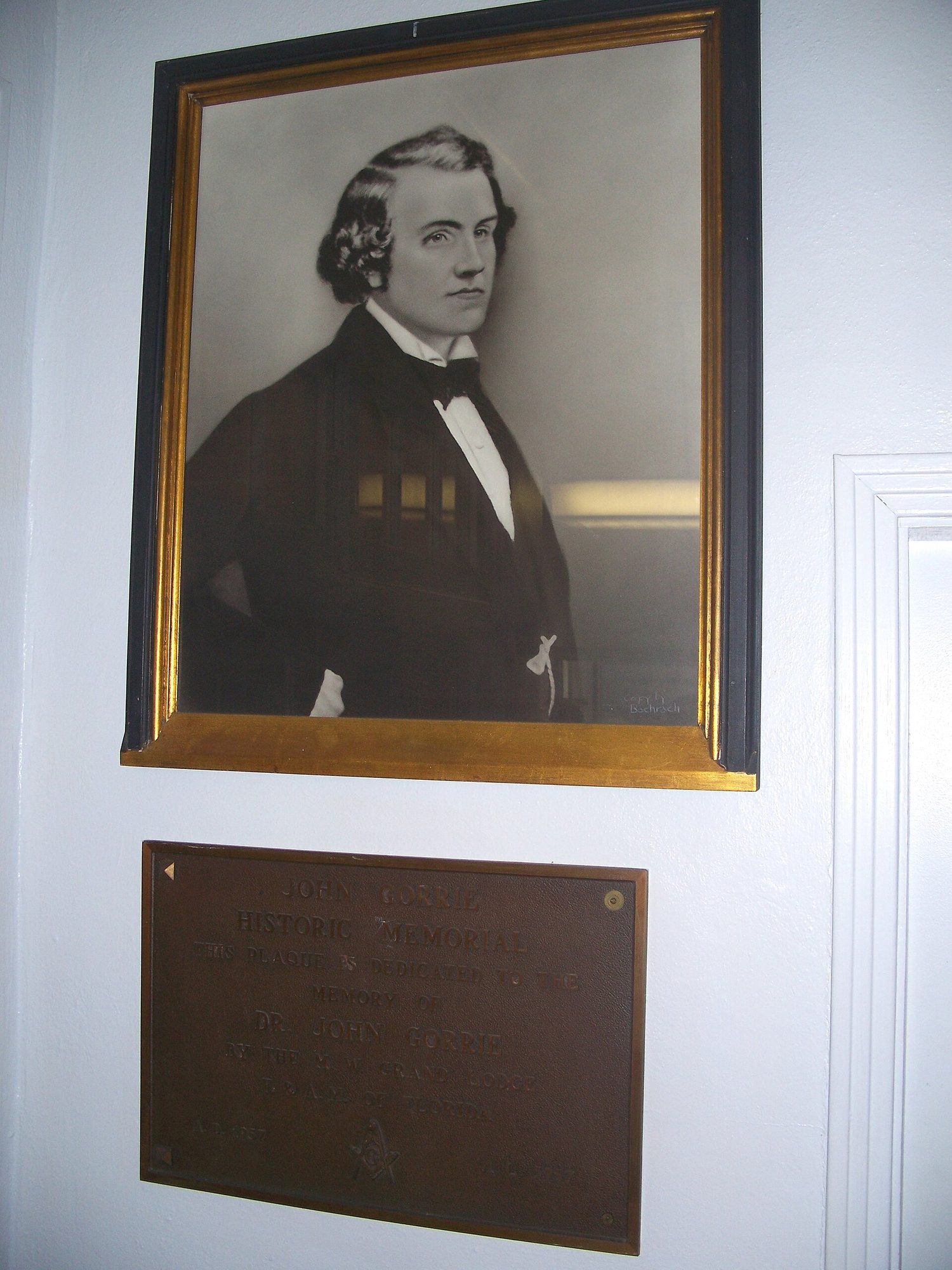
The history is the draw. Dr. John Gorrie practised medicine here when yellow fever hit in 1841. He cooled sickrooms with ice, then built a mechanical ice-making machine to produce it. He received an 1851 patent for mechanical refrigeration. The John Gorrie Museum State Park on Sixth Street commemorates that: the site was donated to the State of Florida in 1955, and the one-storey brick museum building went up in 1957.
Walk to Battery Park at the mouth of the Apalachicola River. That is the waterfront green, and it is also the ground for the Florida Seafood Festival, billed as the state’s oldest maritime event. The 2026 edition, 6-7 November, is the 63rd annual. Tens of thousands show up. Plan accordingly.
The Orman House Historic State Park on Market Street is worth your time, and its grounds include the Chapman Botanical Garden and the Three Soldiers Detail South memorial.
Where to Sleep
The Gibson Inn sits at 51 Ave C with a 4.5 rating from 1,128 reviews. It is the historic anchor of the lodging stock, and its on-site The Franklin Café (rated 3.8 from 396 reviews) means you do not have to leave the porch if you do not want to.
For the practical traveller, Best Western Apalach Inn on US-98 carries a 4.2 from 629 reviews. Apalachicola Bay Inn, also on US-98, rates 4.0 from 307 reviews. If you want to be on the water, Water Street Hotel & Marina, an Ascend Collection Hotel at 329 Water St rates 4.3 from 281 reviews. Coombs Inn & Suites on 6th St is the budget-adjacent option at 3.8 from 429 reviews. The spread is narrow; none of these will ruin your trip.
Where to Eat
The raw bars define the town. The Station Raw Bar on Market St is the highest-rated restaurant in the supplied data: 4.6 from 1,211 reviews. Hole In The Wall Seafood And Raw Bar on Ave D runs 4.4 from 990 reviews. Between those two, you have the oyster experience covered.
For a fuller sit-down meal, Owl Café on Ave D rates 4.3 from 1,280 reviews — the most-reviewed restaurant in town. The Tap Room on Commerce St matches it at 4.3, from 529 reviews. Tamara's Café on Market St is a 4.1 from 578 reviews.
Two outliers worth knowing: The Biscuit Factory on Water St is the highest-rated place in town at 4.8, but with only 149 reviews, so expect a line and a limited window. And Hong Kong Bistro on US-98 rates 4.3 from 284 reviews, which is a useful reminder that a working port town has more than shrimp and grits. There is also a Burger King on US-98 rated 2.4 from 277 reviews. You did not come here for that.
The Numbers That Matter
Median household income is $61,083. Median home value is $247,900. Median gross rent is $1,235. The unemployment rate is 5.8 percent. Nearly a third of residents — 32.9 percent — hold a bachelor’s degree or higher. That last figure should tell you something: this is a small town with a professional class. It is not a fishing village that happens to have tourists. It is a town that has been shipping oysters since 1836, when they were sold locally, and the Ruge Brothers Canning Company set up in 1885. The timber trade went from $2,000,000 in 1898 to $13,324,000 in 1903. The first Apalachicola Northern Railroad engine arrived 30 April 1907. Sponging was a mainstay from the mid-1870s, with 16 sponge vessels working in 1879 and up to 120 men employed by 1895.
Practical Notes
The town is small. You can walk it. The streets are named with letters and numbers — Ave A through Ave E, and numbered streets crossing them. The commercial core runs along Market St, Commerce St, and Water St near the river. If you are staying on US-98, you are on the highway edge of town, which is fine for a night’s sleep but not for charm.
The Florida Seafood Festival weekend will tax the parking and the patience of anyone who did not book months ahead. The data says 191 homes sit empty for seasonal use. That is not a complaint; it is a warning that the town’s rhythm is tied to the water and the calendar.
Go for the oysters. Stay for the Gorrie museum. Understand that you are standing in a place where a doctor built a machine to make ice because his patients were dying of fever. The town has been adapting to hard conditions ever since.
Every business named above is one we hold a listing for, and every date traces to a source on our sources page. We do not describe menus, interiors or service we have not verified. Details change — confirm before you travel.