Guides · Apalachicola, Florida
Half a Day in Apalachicola: A Short Itinerary
Half a day in Apalachicola is enough to trace the town's 19th-century industrial rise—timber, sponges, and Dr. John Gorrie's ice machine—before eating oysters at the river's mouth.
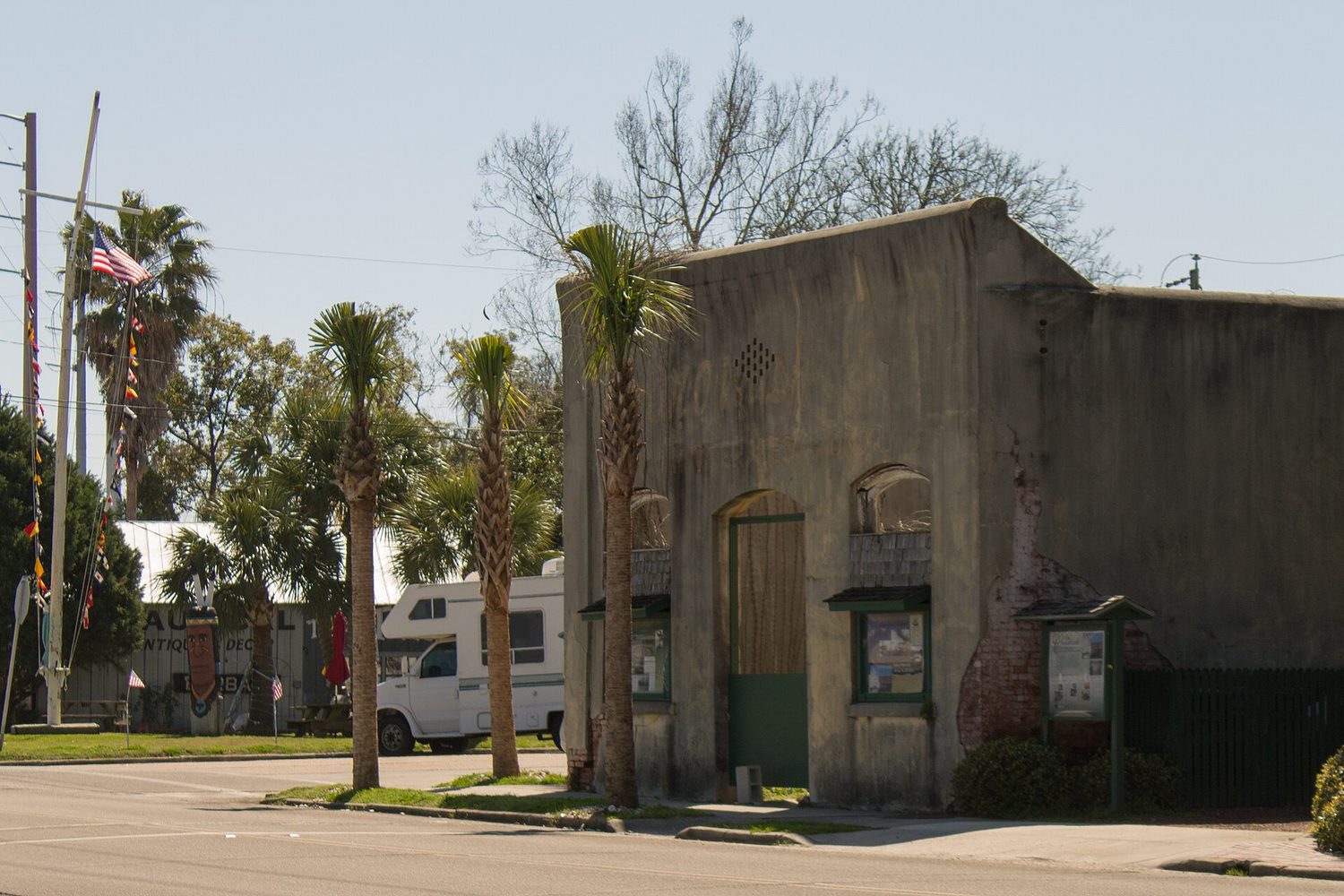
Battery Park: Where the River Meets the Bay
Begin at Battery Park, where the Apalachicola River meets the bay. This waterfront green has been the ground for the Florida Seafood Festival since its early years; the 2026 edition, on 6–7 November, is the 63rd annual. On a non-festival day, the park is quiet, and the river gives you the context for everything else you will see: the water carried the timber, the sponges, and the oysters that built the town.
John Gorrie Museum: The Birthplace of Air Conditioning
Walk about ten minutes up Sixth Street to the John Gorrie Museum State Park. Dr. John Gorrie (1803–1855) practised medicine here during the 1841 yellow fever outbreak. He cooled sickrooms with ice, then built a mechanical ice-making machine to do the work reliably. He received a patent for mechanical refrigeration in 1851. The one-storey brick museum building was constructed in 1957 on a site donated to the State of Florida in 1955. It was built to commemorate that invention—the reason the town's name appears in the history of air conditioning.
Apalachicola's Working Waterfront: Oysters, Sponges, and Timber
The waterfront you are standing on had three industrial lives. Oysters were sold locally as early as 1836, and the Ruge Brothers Canning Company was established in 1885 by Herman Ruge and his sons. Sponging ran from the mid-1870s: 16 sponge vessels worked out of Apalachicola in 1879, and by 1895 between 80 and 120 men were employed in the trade. Timber was the largest of all—commerce rose from $2,000,000 in 1898 to $13,324,000 in 1903, and the first Apalachicola Northern Railroad engine reached town on 30 April 1907. The raw bars on Market Street are the present-day form of that working waterfront.
Best Oyster Bars on Market Street in Apalachicola
For a quick oyster lunch, three places sit within a block of each other. The Station Raw Bar, at 53 Market St, is the highest-rated of the group. Hole In The Wall Seafood And Raw Bar, at 23 Ave D, is a short walk off Market. Up The Stairs, at 76 Market St f, shares the address with the Up To No Good Tavern below it but is rated considerably higher.
| Spot | Rating (reviews) |
|---|---|
| The Station Raw Bar | 4.6 (1211) |
| Hole In The Wall Seafood And Raw Bar | 4.4 (990) |
| Up The Stairs | 4.6 (102) |
Orman House and Chapman Botanical Garden: A Quick Stop
After lunch, walk Market Street to Orman House Historic State Park. The grounds include the Chapman Botanical Garden and the Three Soldiers Detail South memorial. You do not need to go inside to get the measure of the street—the park's trees and the river views behind it are enough for a short stop.
Extra Hour in Apalachicola: Art and Sweets on Avenue E
With time to spare, head to Avenue E. The Pearl-Art for Everyone, at 122 Commerce St #2, is a small gallery with a perfect rating from 86 reviews. Two doors over, Dolore's Sweet Shoppe, at 133 Avenue E, has a 4.5 rating from 137 reviews. Neither requires more than a few minutes, which is the point.
The answer to the half-day question is yes. Start at the river, climb to the museum, eat oysters on Market, and you have covered the town's three industries and its one invention. The extra hour is for the gallery and the sweets.
Common questions
- What is Apalachicola known for historically?
- Apalachicola is known for Dr. John Gorrie, who in 1841 built a mechanical ice-making machine to cool sickrooms during a yellow fever outbreak. He received an 1851 patent for mechanical refrigeration. The John Gorrie Museum State Park commemorates his work.
- Where can I eat in Apalachicola?
- Options include Owl Café (4.3 stars), The Station Raw Bar (4.6), Hole In The Wall Seafood And Raw Bar (4.4), and The Biscuit Factory (4.8). The Franklin Café is at The Gibson Inn. Ratings are from reviews.
- What is the Florida Seafood Festival?
- It is Florida's oldest maritime event, held at Battery Park at the mouth of the Apalachicola River. The 2026 edition, on 6-7 November, is the 63rd annual. It draws tens of thousands over two days.
- What are the main historic sites to visit?
- John Gorrie Museum State Park on Sixth Street, built in 1957, and Orman House Historic State Park on Market Street, which includes Chapman Botanical Garden and a memorial. Battery Park is the waterfront green.
- How big is Apalachicola?
- The population is 2,304 people with a median age of 51.8 years. There are 1,506 housing units; 191 are for seasonal or recreational use. Median home value is $247,900.
- What was Apalachicola's early economy based on?
- Sponging from the mid-1870s, with 16 vessels in 1879. Oysters were sold locally from 1836, and the Ruge Brothers Canning Company started in 1885. Timber commerce grew from $2 million in 1898 to $13.3 million in 1903.
Every business named above is one we hold a listing for, and every date traces to a source on our sources page. We do not describe menus, interiors or service we have not verified. Details change — confirm before you travel.