Guides · Apalachicola, Florida
Apalachicola by the Numbers: What the Census Says
The census counts 2,304 people in Apalachicola. The numbers describe a town that is older, smaller, and more settled than the state average.
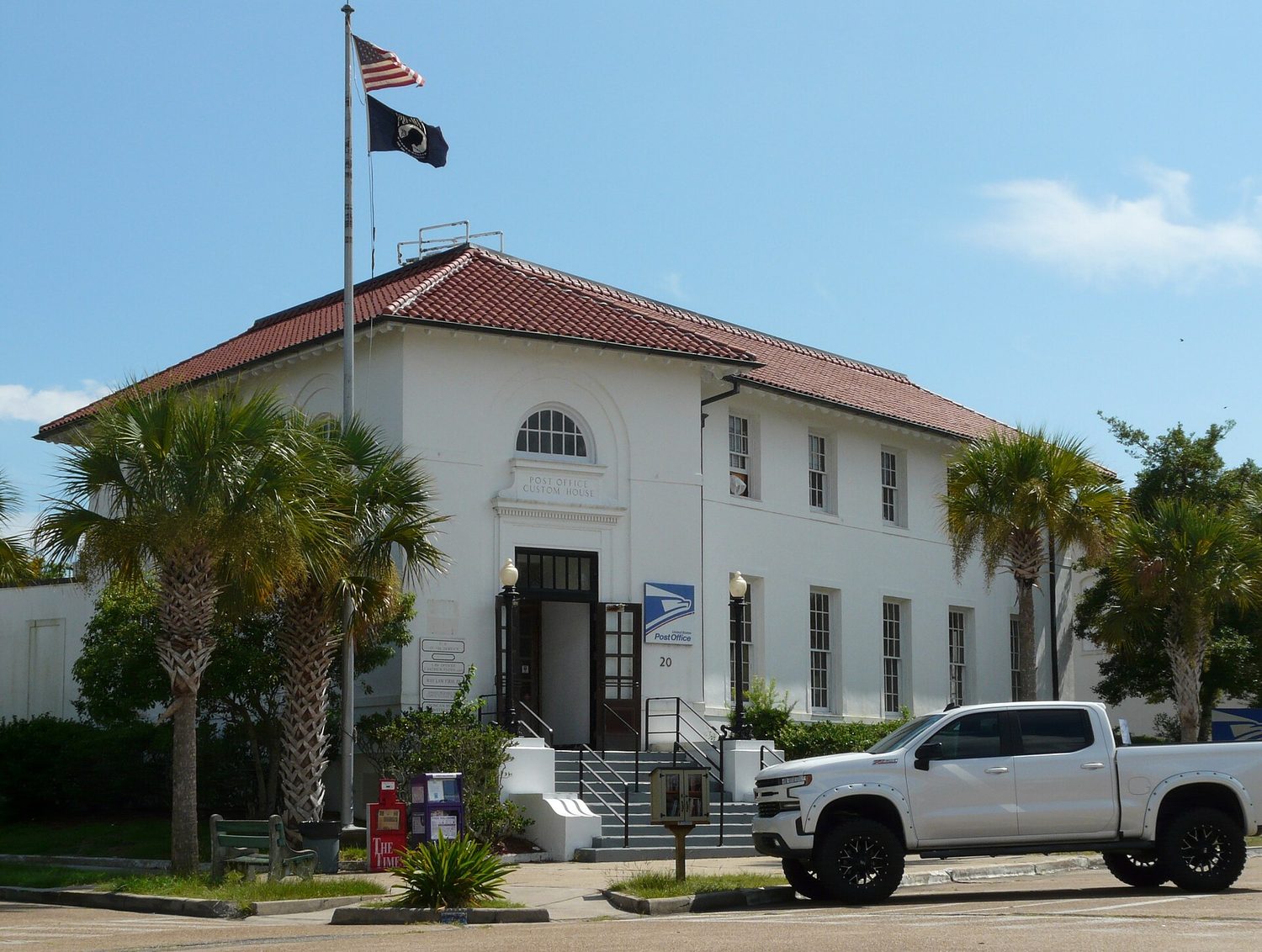
What the Census Says
The median age is 51.8 years. That is a decade older than the national median. The population is not growing quickly, and the housing stock reflects it.
There are 1,506 total housing units. Of those, 323 are vacant. Another 191 are held for seasonal or recreational use. That means roughly one in three homes is not occupied year-round. The town swells when the seasonal residents arrive, and it contracts when they leave.
The median home value is $247,900. The median gross rent is $1,235. For a town of this size, those figures are not cheap. They suggest a market shaped by second homes and waterfront demand rather than by local wages alone.
The median household income is $61,083. The unemployment rate is 5.8 percent. That is slightly above the national rate. The workforce is small, and the economy leans on a few sectors: seafood, tourism, and the state parks.
Education levels are high for a rural county. Some 32.9 percent of residents hold a bachelor's degree or higher. That is a notable figure for Franklin County, where the town is the county seat but not a college town.
The History Behind the Numbers
The town has carried three names in as many decades. It was first called Cottonton. The settlement was incorporated as West Point in 1828. It took the name Apalachicola in 1831.
The name changed, but the water did not. The town sits at the mouth of the Apalachicola River, where it meets the bay. That position defined the economy from the start.
Oysters were sold locally as early as 1836. The Ruge Brothers Canning Company was established in 1885 by Herman Ruge and his sons. The seafood trade was not a hobby; it was the reason the town existed.
Sponging was a mainstay from the mid-1870s. Apalachicola had 16 sponge vessels working in 1879. By 1895, between 80 and 120 men were employed in the trade. The industry has faded, but the waterfront has not.
Timber was the other engine. The commerce rose from $2,000,000 in 1898 to $13,324,000 in 1903. The first Apalachicola Northern Railroad engine reached the town on 30 April 1907. That rail line connected the port to the interior, and the numbers grew accordingly.
The Doctor Who Made Ice
The most remarkable chapter is medical, not commercial. Dr. John Gorrie (1803-1855) practised medicine in Apalachicola. An 1841 yellow fever outbreak led him to cool sickrooms with ice. He then built a mechanical ice-making machine. He received an 1851 patent for mechanical refrigeration. He is recognised as the father of air conditioning and refrigeration.
The town remembers him. John Gorrie Museum State Park on Sixth Street commemorates the invention. The site was donated to the State of Florida in 1955. The one-storey brick museum building was constructed in 1957.
The museum is a quiet building on a quiet street. It holds a machine that changed the world. The census does not count that, but it is the reason many visitors come.
The Waterfront Today
Battery Park sits at the mouth of the Apalachicola River. It is the town's waterfront green. It is also the ground on which the Florida Seafood Festival is held. The festival is billed as Florida's oldest maritime event. It is a two-day affair that draws tens of thousands. The 63rd annual edition is set for 6-7 November.
The park is the public face of the water. The Orman House Historic State Park on Market Street is the other anchor. Its grounds include the Chapman Botanical Garden and the Three Soldiers Detail South memorial.
These are the places the census cannot describe. The numbers say the town is small and older. The parks say the town has kept its history close.
What the Numbers Leave Out
The census tells you the median age and the vacancy rate. It does not tell you why a town of 2,304 people has a museum for a refrigeration pioneer. It does not tell you why the seafood festival draws tens of thousands to a park at the river's mouth.
Apalachicola is not growing fast. It is not young. It is not wealthy by state standards. But it has a history that most towns twice its size cannot claim. The ice machine, the railroad, the sponge fleet, the canning company: those are the facts behind the figures.
The numbers are what they are. The history is what it is. Both are worth the trip.
Every business named above is one we hold a listing for, and every date traces to a source on our sources page. We do not describe menus, interiors or service we have not verified. Details change — confirm before you travel.