Guides · Apalachicola, Florida
Getting to Apalachicola, FL: Best Routes by Car, Air & Water
Apalachicola isn't on the way to anywhere. That's the point. The town survives as a working waterfront because the roads that reach it end there.
Best Routes to Apalachicola by Car
Apalachicola sits at the terminus of U.S. 98 and State Road 30. No interstate. No major highway. No reason to pass through unless the town is your destination. The primary approaches are from Tallahassee, about 80 miles northeast, and from Panama City, about 75 miles west. Both routes funnel into two-lane roads that cross the bay or run down the river's edge. The drive isn't long, but it forces a decision: you are coming here, and you are not going anywhere else.
| From | Distance | Approximate Drive Time |
|---|---|---|
| Tallahassee | 80 miles | 1 hour 30 minutes |
| Panama City | 75 miles | 1 hour 20 minutes |
Driving to Apalachicola: The John Gorrie Bridge Route
The John Gorrie Memorial Bridge carries U.S. 98 across Apalachicola Bay from the east. It is the only direct link to St. George Island and points east, and it is how most visitors arrive. From the north, State Road 65 drops straight down through timber country and meets the town without crossing water. Neither route offers a bypass; both simply end at the river. The bridge, named for the doctor who built an ice machine here, is the town's front door. And it is a bridge, not a causeway—water on both sides, the bay opening up as you cross.
Reaching Apalachicola by Boat or Waterway
Apalachicola is a port at the mouth of the Apalachicola River, and the water is not decorative. The river drains a vast watershed and empties into the Gulf of Mexico; the town grew because of that position. Timber moved downriver; oysters and sponges moved out. The Intracoastal Waterway runs through the bay, and a vessel can come in from the Gulf and tie up at the town's docks. No passenger ferry, no scheduled service. But if you have a boat, the town is reachable by water in a way few other places on this coast are.
Closest Airports to Apalachicola, FL
No commercial airport in Apalachicola. The closest options are Northwest Florida Beaches International Airport (ECP) near Panama City, about 75 miles away, and Tallahassee International Airport (TLH), about 80 miles away. Both require a rental car for the final leg. Apalachicola Regional Airport (AAF) exists for general aviation—private aircraft, small charters, the occasional pilot who wants to fly in and stay. If you're not flying your own plane, plan to land at ECP or TLH and drive.
Apalachicola Parking & Getting Around Downtown
The compact downtown is walkable. The historic district, including the John Gorrie Museum State Park on Sixth Street and the Orman House Historic State Park on Market Street, is best seen on foot. Parking is available on the streets and in small lots, but it is limited. No parking garage. No shuttle. No valet. During the Florida Seafood Festival, held at Battery Park at the mouth of the Apalachicola River, the town's regular parking disappears quickly. Expect to walk farther than usual. Don't circle for a close spot—take the first legal space you find.
Best Time to Visit Apalachicola: Weather & Events
Summers are hot and humid, with the bay offering some relief. Winters are mild. The town's median age of 51.8 years and 191 housing units held for seasonal or recreational use suggest a quieter pace outside events. The Florida Seafood Festival, on 6-7 November 2026, is the 63rd annual and draws tens of thousands to Battery Park. It is billed as Florida's oldest maritime event, and it fills the town. Traffic on the John Gorrie Memorial Bridge backs up, lodging books out, the streets crowd. Want to see Apalachicola at its working pace? Come in the off-season. Want to see it full? Come for the festival and accept the delays.
The town's isolation is not a flaw; it is the mechanism that kept the waterfront alive. The roads end here, the river begins, and the only way to arrive is to intend to.
Common questions
- What was Apalachicola called before?
- The settlement was first called Cottonton, then West Point when incorporated in 1828, and finally Apalachicola from 1831. So it carried three names in as many decades.
- Who invented the ice machine in Apalachicola?
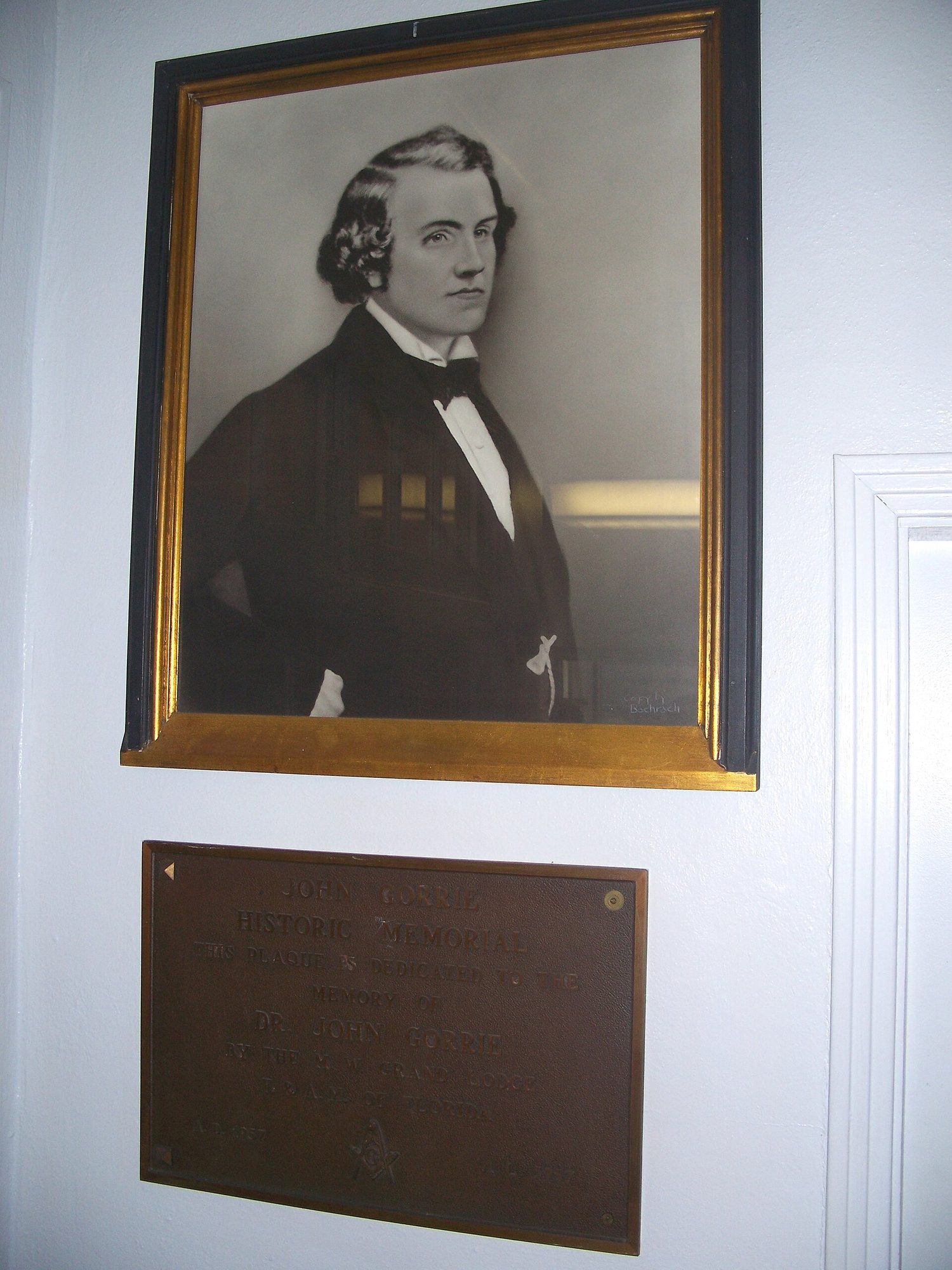
- Dr. John Gorrie, who practiced medicine here, built a mechanical ice-making machine after an 1841 yellow fever outbreak. He received an 1851 patent for mechanical refrigeration and is recognized as the father of air conditioning and refrigeration.
- What is the John Gorrie Museum State Park?
- It's a one-storey brick museum on Sixth Street, built in 1957 on a site donated to the State of Florida in 1955. It commemorates Gorrie's 1851 patent for mechanical refrigeration.
- When is the Florida Seafood Festival?
- The Florida Seafood Festival is a two-day event at Battery Park at the mouth of the Apalachicola River. The 2026 edition is on November 6-7, the 63rd annual, billed as Florida's oldest maritime event.
- What is the population of Apalachicola?
- The population is 2,304 people, with a median age of 51.8 years. There are 1,506 total housing units, of which 191 are for seasonal or recreational use.
- What are the main industries historically?
- Sponging was a mainstay from the mid-1870s, with 16 sponge vessels in 1879. Oysters were sold locally as early as 1836, and the Ruge Brothers Canning Company was established in 1885. Timber commerce rose from $2,000,000 in 1898 to $13,324,000 in 1903.
Every business named above is one we hold a listing for, and every date traces to a source on our sources page. We do not describe menus, interiors or service we have not verified. Details change — confirm before you travel.