Guides · Apalachicola, Florida
How Long to Spend in Apalachicola, FL
Apalachicola rewards you in proportion to how little you demand of it. Two days covers the core. Stay longer, ask less, and the working waterfront and quiet streets start to give back.
The Town's Scale: What 2,304 People and 1,506 Housing Units Mean for Your Itinerary
Apalachicola holds 2,304 people in 1,506 housing units. 191 of those sit empty most of the year, held for seasonal use. The median age is 51.8 years. The pace follows. Streets don't crowd; restaurants seat you; there's no line for history. Plan for a town that moves slowly because it has no reason to hurry. Two days covers the ground. Longer stays just let you stop checking your watch.
| Metric | Value |
|---|---|
| Population | 2,304 |
| Total housing units | 1,506 |
| Seasonal/recreational units | 191 |
| Vacant housing units | 323 |
| Median age | 51.8 years |
| Median home value | $247,900 |
| Median gross rent | $1,235 |
| Median household income | $61,083 |
| Bachelor's degree or higher | 32.9% |
| Unemployment rate | 5.8% |
Apalachicola's History: Yellow Fever, Ice Machines, and More
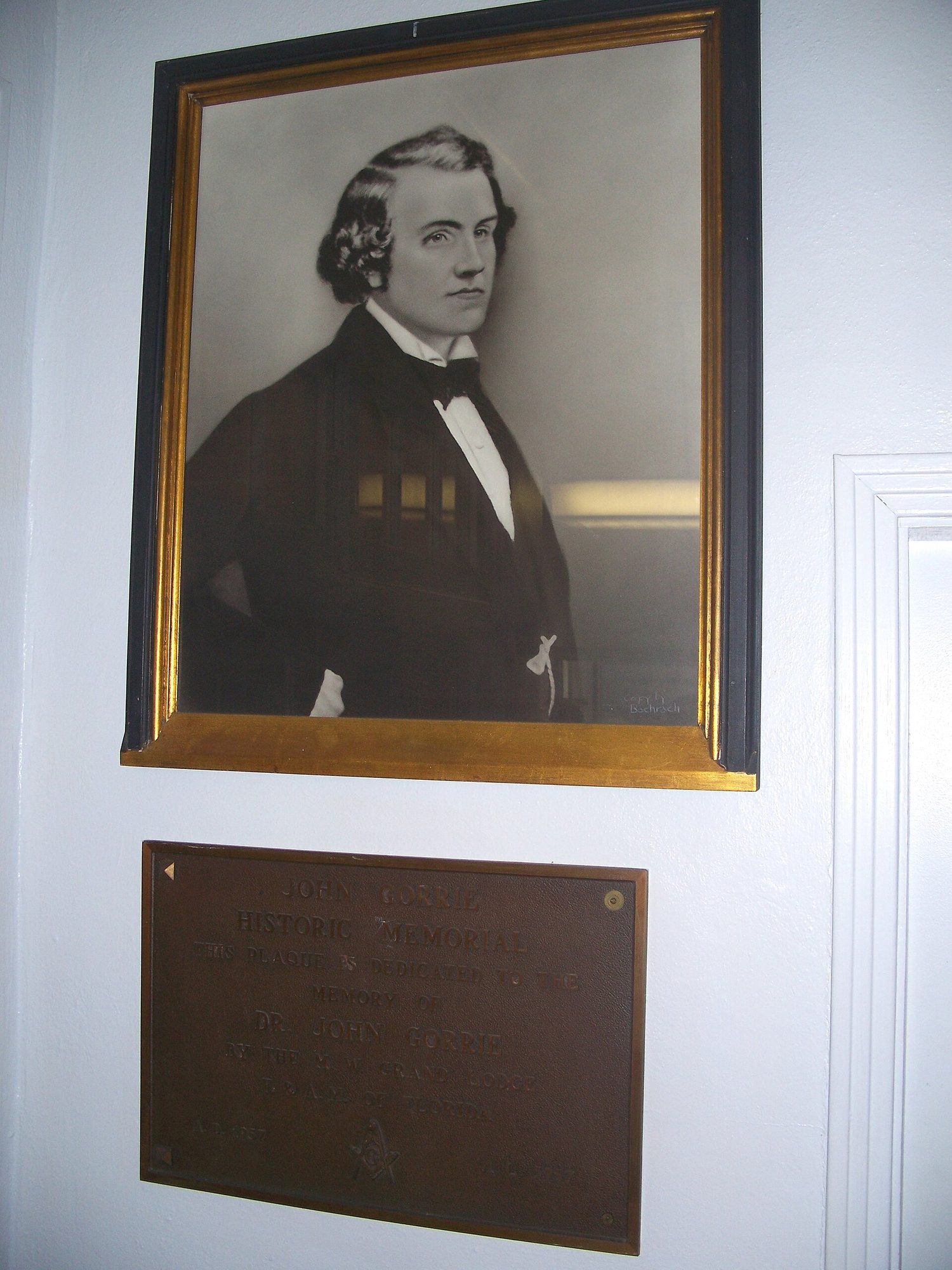
The town carried three names in as many decades: Cottonton first, then West Point on incorporation in 1828, then Apalachicola from 1831. The history that matters came in 1841, when yellow fever swept through and Dr. John Gorrie began cooling sickrooms with ice. He built a mechanical ice-making machine, received an 1851 patent for mechanical refrigeration, and is now credited as the father of air conditioning and refrigeration. The John Gorrie Museum State Park on Sixth Street marks the site—donated to the State of Florida in 1955, with the one-story brick museum built in 1957.
The Working Waterfront: Oysters, Sponges, and the River
Battery Park sits at the mouth of the Apalachicola River—the town's waterfront green and the ground for the Florida Seafood Festival. The water here has been commerce for a long time. Oysters sold locally as early as 1836. The Ruge Brothers Canning Company was established in 1885 by Herman Ruge and his sons. Sponging held from the mid-1870s: 16 sponge vessels worked in 1879, and by 1895 between 80 and 120 men were employed in the trade. The waterfront isn't a museum exhibit. It's still in use.
Two Days: The Core Loop of Museums, Waterfront, and a Meal
Day one: the John Gorrie Museum State Park in the morning, then Orman House Historic State Park on Market Street, whose grounds include the Chapman Botanical Garden and the Three Soldiers Detail South memorial. Day two: Battery Park at the river mouth, then a raw bar meal. The Station Raw Bar on Market Street and Hole In The Wall Seafood And Raw Bar on Ave D are the two direct options for oysters at their source. That's the core loop. Two days does it.
Three to Four Days: When the Town Starts to Open Up
With a third or fourth day, the town opens. Walk the quieter streets. Visit The Pearl-Art for Everyone on Commerce Street, a 5.0-rated gallery from 86 reviews. Try The Biscuit Factory on Water Street or Dolore's Sweet Shoppe on Avenue E. Day trips become possible: St. George Island is 9 miles away, Port St. Joe 23. Both are towns we cover separately. Both are close enough to be afternoon excursions rather than commitments.
The Seasonal Question: When to Come and What It Costs
November brings the Florida Seafood Festival, billed as Florida's oldest maritime event—a two-day festival at Battery Park that draws tens of thousands. The 2026 edition, on 6–7 November, is the 63rd annual. The 191 seasonal housing units tell you the rest: this town swells when it suits visitors. Median home value is $247,900; median gross rent is $1,235. Outside festival weekends, lodging is available and prices are sane. Inside festival weekend, they are not.
The Verdict: How Long Is Enough?
Two days is the minimum for the history and the waterfront—the Gorrie museum, Orman House, Battery Park, one raw bar meal. Three to four days suits travelers who want the working character to sink in, who will take the drive to St. George Island or Port St. Joe, who will let a slow town set the schedule. Apalachicola does not demand more. It also does not reward rushing.
Common questions
- How long should I spend in Apalachicola?
- Plan for at least two full days. One day covers the historic downtown, the John Gorrie Museum, and Orman House. A second allows time for Battery Park, the waterfront, and a slow meal. If you want a day trip to St. George Island, add a third.
- What is there to do in Apalachicola?
- Visit the John Gorrie Museum State Park, where the ice machine inventor is commemorated. See Orman House Historic State Park and its gardens. Walk Battery Park at the river mouth. Browse The Pearl-Art for Everyone. Eat at the Owl Café or The Station Raw Bar.
- Is Apalachicola worth visiting?
- Yes. It is a small town with a deep maritime and industrial history. You can see the museum built to honor Dr. John Gorrie's 1851 refrigeration patent. The Florida Seafood Festival, the state's oldest maritime event, is held here each November at Battery Park.
- What is Apalachicola known for?
- Apalachicola is known for oysters, sold locally since 1836, and for its timber boom in the early 1900s. It is also the home of Dr. John Gorrie, who built an ice-making machine after the 1841 yellow fever outbreak and is credited as the father of refrigeration.
- Where should I eat in Apalachicola?
- The Biscuit Factory has a 4.8 rating from 149 reviews. The Station Raw Bar is rated 4.6 from 1211 reviews. Izzy's Cafe and Up The Stairs both rate 4.6. The Owl Café has 4.3 from 1280 reviews. Avoid Burger King, rated 2.4.
- What is the Florida Seafood Festival?
- It is billed as Florida's oldest maritime event, held at Battery Park at the mouth of the Apalachicola River. The 2026 edition, on November 6-7, is the 63rd annual. It draws tens of thousands over two days.
Every business named above is one we hold a listing for, and every date traces to a source on our sources page. We do not describe menus, interiors or service we have not verified. Details change — confirm before you travel.