Guides · Apalachicola, Florida
Museums and Historic Sites in Apalachicola
The town’s museums are not curated nostalgia; they are the physical record of a place that invented modern cooling, shipped timber by the millions, and built its economy on the water.
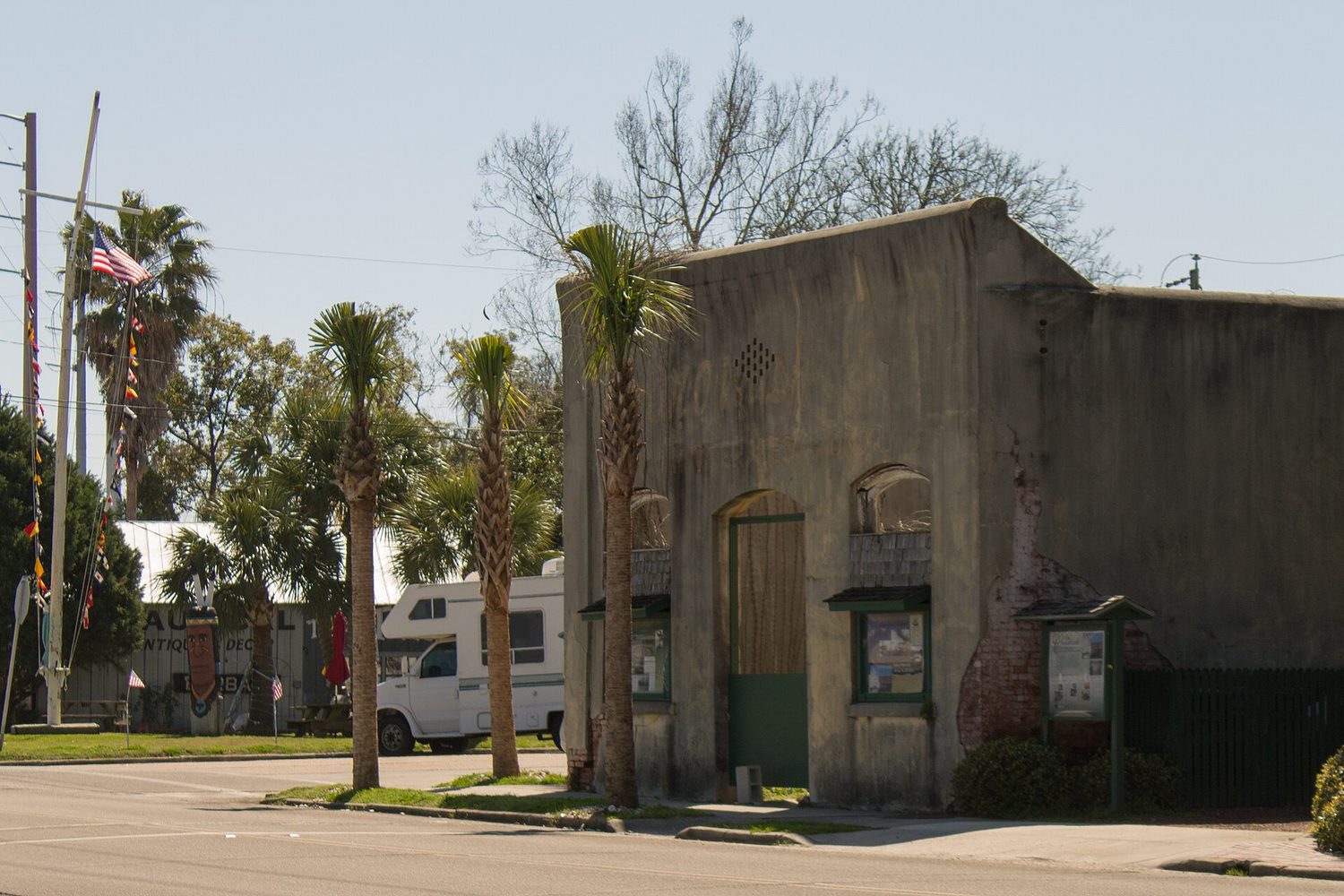
The Ice Machine and the Doctor
The reason Apalachicola has a museum on Sixth Street is a fever. In 1841, yellow fever swept the town. Dr. John Gorrie, practising medicine here, began cooling sickrooms with ice brought from the north. That was insufficient. So he built a machine to make ice mechanically, receiving a patent in 1851. He is recognised as the father of air conditioning and refrigeration.
The site was donated to the State of Florida in 1955. The one-storey brick museum building was constructed in 1957. That building is now John Gorrie Museum State Park, though the verified facts list the location as Gorrie Square at 6th Street and Avenue D. The museum exists to commemorate the patent. It is a quiet, specific monument to a local problem solved with machinery.
The House on Market Street
Raney House Museum sits at 128 Market St. It is rated 4.8 from 126 reviews. The house is a domestic structure, not a civic hall. It tells the story of the town through the people who lived in it, which is to say, through the people who profited from the timber and cotton that moved down the river. The house is on Market Street, the same street that hosts the Orman House Historic State Park, whose grounds include the Chapman Botanical Garden and the Three Soldiers Detail South memorial. The Raney House is the more reviewed of the two, and the higher rated.
The River and the Bridge
Historic Apalachicola, at 86 Water St, is rated 4.7 from 18 reviews. That is a low review count, and a high score. It is a museum and history site on the waterfront. Water Street is where the town met the river, and the river was the reason the town existed at all. The settlement was incorporated as West Point in 1828 and took the name Apalachicola in 1831. Before that, it was Cottonton. Three names in three decades. The river was the constant.
The Apalachicola River Bridge is listed as a museum and history site, rated 5.0 from 2 reviews. It is US-98 crossing the river. Two reviews is not a crowd. But the bridge is the modern crossing of the same waterway that carried the timber. The numbers are in the record: timber commerce rose from $2,000,000 in 1898 to $13,324,000 in 1903. The first Apalachicola Northern Railroad engine reached the town on 30 April 1907. The bridge is the current iteration of that movement.
The Waterfront and the Festival
Battery Park, at the mouth of the Apalachicola River, is the town's waterfront green. It is the ground on which the Florida Seafood Festival is held. The 2026 edition, on 6-7 November, is the 63rd annual, billed as Florida's oldest maritime event. It draws tens of thousands. That is a large number for a town of 2,304 people.
The water has always been the economy. Sponging was a mainstay from the mid-1870s. In 1879, Apalachicola had 16 sponge vessels working. By 1895, between 80 and 120 men were employed in the trade. Oysters were sold locally as early as 1836, and the Ruge Brothers Canning Company was established in 1885 by Herman Ruge and his sons. The festival at Battery Park is the modern expression of that history.
What the Numbers Say
The census figures give a shape to the place. The median age is 51.8 years. The median household income is $61,083. The median home value is $247,900. The unemployment rate is 5.8 percent. Of the 1,506 total housing units, 191 are held for seasonal or recreational use, and 323 are vacant. That is a town with a substantial number of empty houses and a substantial number of part-time residents. The museums are not crowded with locals on a Tuesday. They are the record for the people who come to look.
The Practical Matter
The two main sites are the Raney House Museum and Historic Apalachicola. Both are rated above 4.7. Both are on the two main streets of the town: Market and Water. The Gorrie Square site is the one with the national significance, because refrigeration is a global fact. The bridge is a crossing, not a destination, but it is listed, and it is there.
The history is remarkable. Let it be without adjectives.
Every business named above is one we hold a listing for, and every date traces to a source on our sources page. We do not describe menus, interiors or service we have not verified. Details change — confirm before you travel.