Guides · Apalachicola, Florida
Shopping in Apalachicola
The town’s shops are small, specific, and rarely trying to please everyone. That is the point.
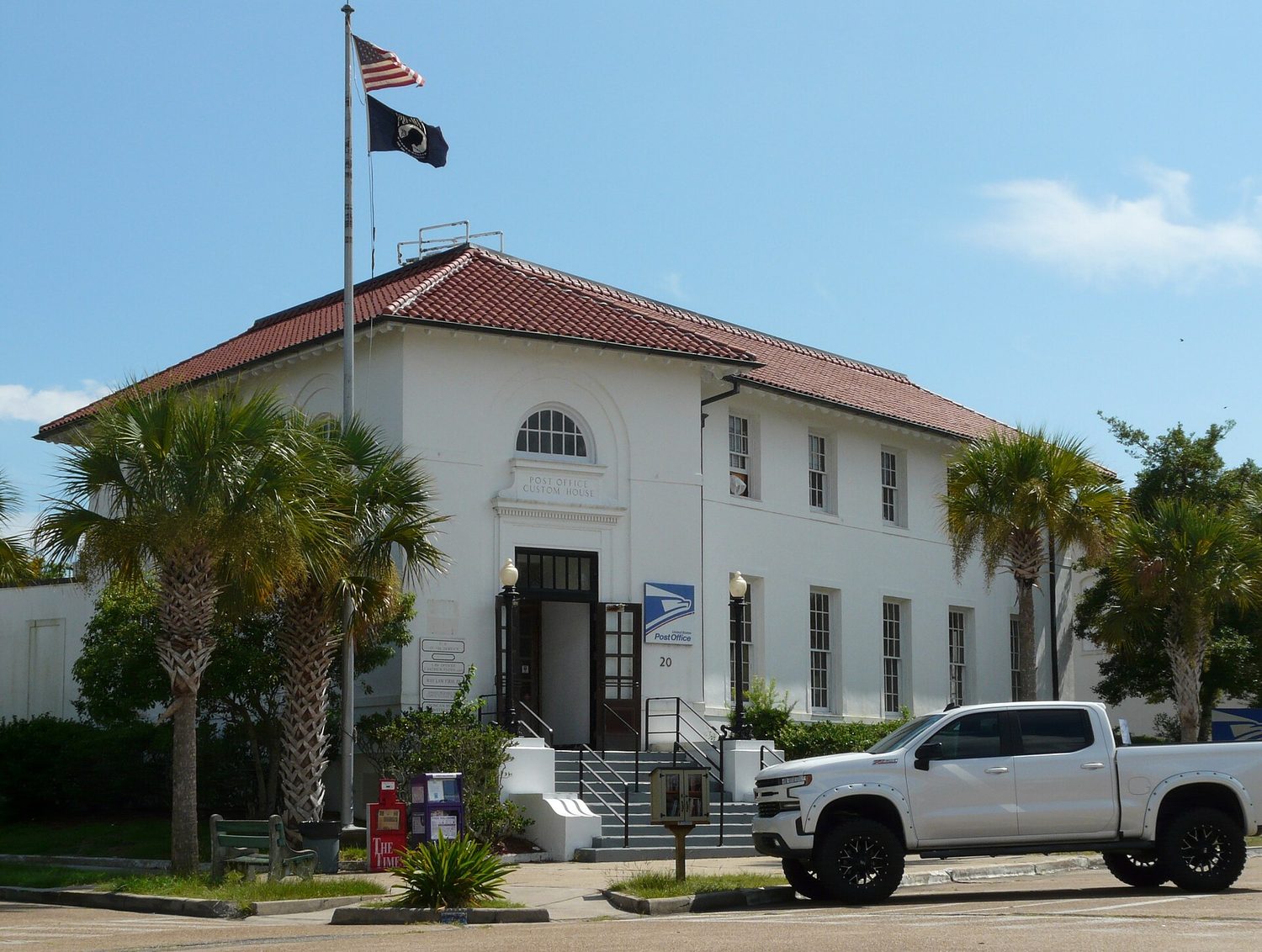
A Town Built on Trade
Apalachicola did not grow from charm. It grew from cargo. The settlement was incorporated as West Point in 1828 and took the name Apalachicola in 1831. Before that, it was Cottonton. Three names in three decades suggests a place still deciding what it was.
What it became was a working waterfront. Oysters were sold locally as early as 1836. Sponging was a mainstay from the mid-1870s, with 16 sponge vessels working in 1879. Timber commerce rose from $2,000,000 in 1898 to $13,324,000 in 1903. The first Apalachicola Northern Railroad engine reached the town on 30 April 1907.
The shops on the current streets are quieter than that history. They are also more honest. No one here is selling you a fantasy of the Gulf. They are selling objects, books, and goods that have a reason to exist.
The Main Drag: Commerce Street
Commerce Street holds the densest cluster. Oystertown Books sits at 67 Commerce St with a 4.8 rating from 92 reviews. It is the kind of independent bookstore that makes you check the shelf for a second copy of what you just picked up. The rating is not accidental; it is the highest on the street.
A few doors down, Riverlily at 78 Commerce St holds a 4.7 from 74 reviews. It is a gift shop in the best sense: things you did not know you needed until you saw them. Across the way, Inspired Too at 56 Commerce St carries a perfect 5.0 from 41 reviews. Perfect scores are rare. They usually mean the inventory is curated hard and the person behind the counter knows exactly what they are doing.
Riverside Mercantile at 82 Commerce St is the outlier at 3.8 from 40 reviews. It is worth a stop for comparison. A lower score does not mean a bad shop; it means a different kind of place, often more cluttered, more personal, less polished. That can be exactly what you want.
Further down, Enjoy Apalachicola at 122 Commerce St #2 has a 5.0 from a single review. One review is not data. It is a suggestion.
The Other Streets
The Tin Shed Nautical & Antiques at 41 Ave F is the largest operation by review count, with 96 reviews and a 4.2 rating. Antiques are a gamble by nature. The nautical portion gives it a local anchor. The rating suggests most people leave satisfied, and a few leave with something heavy.
On Avenue D, two shops share an address. Apalachicola Sponge Company at 14 Ave D carries a 4.6 from 87 reviews. Sponging was a mainstay here from the mid-1870s, and the trade employed between 80 and 120 men by 1895. The shop is a direct line to that history. Tupelo Honey Florida is also at 14 Ave D, with a 4.7 from 11 reviews. Tupelo honey is a regional product, tied to the river swamps. The small review count means it is newer or less trafficked, but the score is strong.
Backstreet Trading Company at 94 Market St has a 3.7 from 21 reviews. Market Street is where the Orman House Historic State Park sits, and the Chapman Botanical Garden is on the grounds. The shop is a side stop, not a destination.
The Shop at 16th St Drive has a 5.0 from 20 reviews. The name tells you nothing. The score tells you enough. It is off the main grid, so you have to want to find it.
Apalach Waters, LLC at 31 Avenue E has a 3.4 from 9 reviews. Low score, low count. It may be a utility or a specialty retailer. Proceed with curiosity.
The Farmers Market
Apalachicola Farmers Market at 1 Scipio Creek Dr has a 4.2 from 27 reviews. It is not a shop in the traditional sense. It is a weekly event, and events are variable. The location on Scipio Creek puts it near the water, which is where this town does its best work.
What the Numbers Say
The census data paints a specific picture. Population is 2,304. Median age is 51.8. Median home value is $247,900. Median gross rent is $1,235. Of 1,506 housing units, 323 are vacant and 191 are held for seasonal or recreational use. That is a town with a permanent core and a rotating set of visitors.
The shops reflect that. They are not built for volume. They are built for repeat customers and slow browsers. The unemployment rate is 5.8 percent, and 32.9 percent of residents hold a bachelor's degree or higher. The median household income is $61,083. These are not boomtown numbers. They are steady, small, and real.
The Context
The Florida Seafood Festival is held at Battery Park, at the mouth of the Apalachicola River. It is billed as Florida's oldest maritime event, a two-day affair that draws tens of thousands. The 63rd annual edition is scheduled for 6-7 November. That is the weekend the town fills. The shops will be busy.
The rest of the year, they are quieter. That is when you should go.
Dr. John Gorrie practised medicine here. In 1841, a yellow fever outbreak led him to cool sickrooms with ice, then to build a mechanical ice-making machine. He received an 1851 patent for mechanical refrigeration. The John Gorrie Museum State Park on Sixth Street was built in 1957 to commemorate him, on land donated in 1955.
A doctor built a machine to make ice because his patients were dying of fever. The town that came after that is not decorative. Neither are its shops.
Every business named above is one we hold a listing for, and every date traces to a source on our sources page. We do not describe menus, interiors or service we have not verified. Details change — confirm before you travel.