Guides · Apalachicola, Florida
Parks and Nature near Apalachicola
The green spaces of Apalachicola are not decorative. They are the town’s memory, its working waterfront, and its public commons, all within a few blocks of the river.
The Waterfront Core
Battery Park sits at the mouth of the Apalachicola River. It is the town’s primary waterfront green, and it is the ground on which the Florida Seafood Festival is held. The festival is billed as Florida’s oldest maritime event, a two-day gathering that draws tens of thousands. The park’s 4.5 rating from 555 reviews reflects its role as the town’s gathering place, not a curated garden.
A short walk north, Apalachicola City Dock holds a 4.7 rating from 97 reviews. It is a working dock, not a promenade. Boats tie up here; the river is the point. If you want to see the town’s reason for existing, stand here and watch the water.
Seafood Landing Park, at 628 US-98, carries the same 4.7 rating from a smaller sample of 50 reviews. It is further from the historic core, closer to the working edge of town. The name tells you what it is for.
The State Parks
Orman House Historic State Park on Market Street is the most substantial of the state properties. Its grounds include the Chapman Botanical Garden and the Three Soldiers Detail South memorial. The 4.6 rating from 211 reviews suggests a place people return to. The house itself is the anchor, but the grounds are the reason to linger.
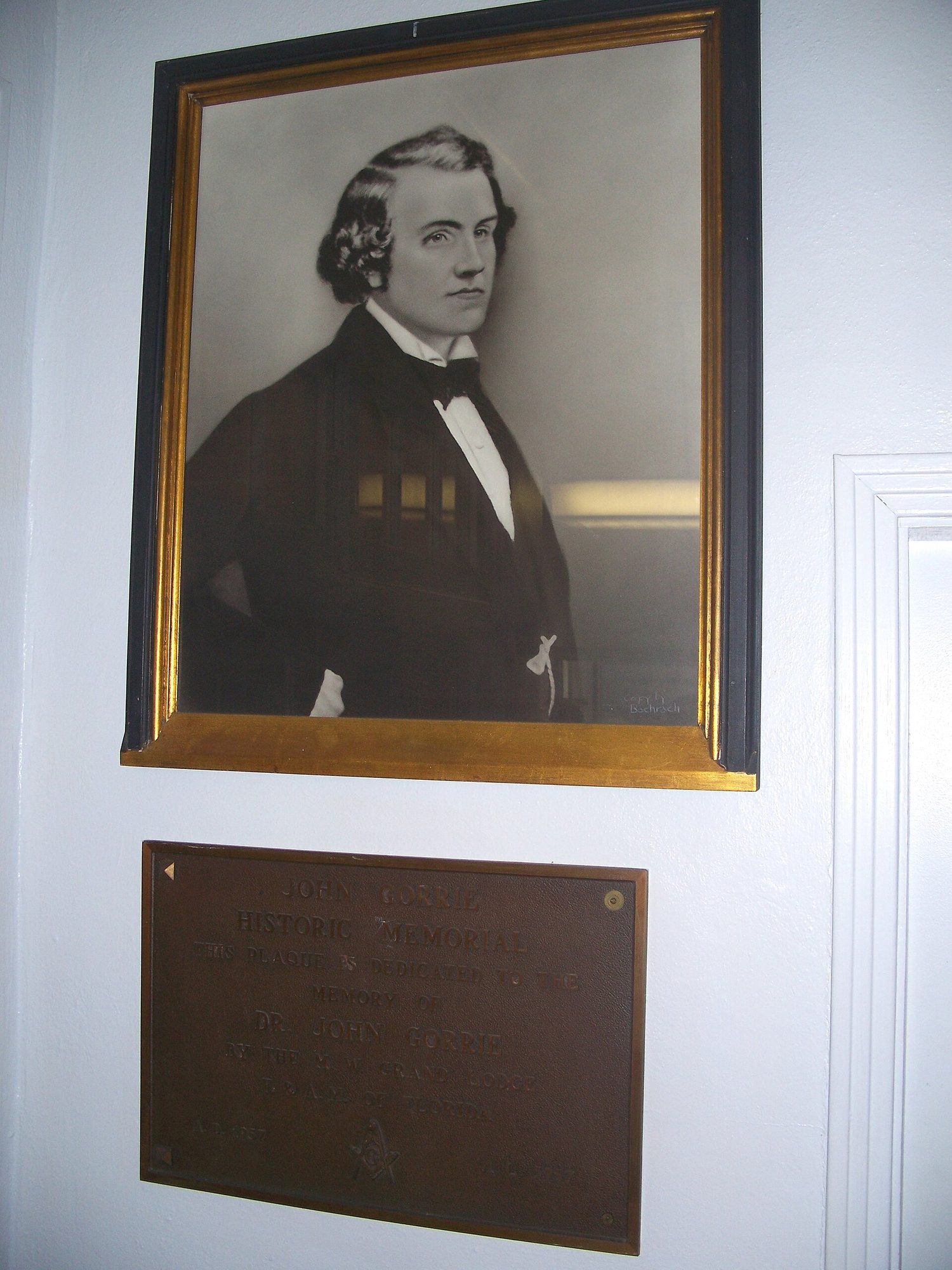
John Gorrie Museum State Park on Sixth Street commemorates a specific local invention. Dr. John Gorrie practised medicine here. During the 1841 yellow fever outbreak, he cooled sickrooms with ice, then built a mechanical ice-making machine. He received an 1851 patent for mechanical refrigeration. The site was donated to the State of Florida in 1955, and the one-storey brick museum building was constructed in 1957. The 4.3 rating from 85 reviews understates the historical weight of the place. This is where air conditioning began.
The Small and the Specific
Lafayette Park on Avenue B holds a 4.5 rating from 201 reviews. It is a plain neighborhood park. Within it stands the Rare Double-Headed Sabal Palm, rated 5.0 from 4 reviews. The palm is the reason to cross the grass. It is exactly what the name says: a sabal palm with two heads. Four reviewers found it worth a stop.
Veterans Memorial Plaza on Market Street is rated 5.0 from 4 reviews. It is a memorial, not a recreation ground. The rating reflects the respect the place commands, not its amenities.
Apalachicola Dog Park on Avenue L is rated 4.2 from 85 reviews. It is a fenced run. Dogs need it; their owners appreciate it. The adjacent Brother Tatem Skate Park and the Splash Pad & Playground at 192 14th Street serve the younger half of the population. The Splash Pad is rated 3.9 from 7 reviews, a small sample that tells you it is new or lightly used.
The Fishing Pier is rated 3.7 from 12 reviews. It is a pier. You fish from it. The rating is honest.
Beyond Town Limits
St. Vincent National Wildlife Refuge requires a boat. It is at 3100 County Road 30A, and its 4.1 rating from 32 reviews reflects the difficulty of access. This is not a park you stumble into. It is a destination for people who plan. The refuge is wilder than anything in town, and the small review count suggests it stays that way.
Lori's Native and Tropical Plants on Avenue G is rated 3.6 from 5 reviews. It is a plant business, not a park. The rating is low because the sample is small. If you need native plants, this is the address.
What the Numbers Say
The town has 2,304 people. The median age is 51.8 years. Of 1,506 housing units, 191 are held for seasonal or recreational use, and 323 are vacant. The median home value is $247,900. The median gross rent is $1,235. The unemployment rate is 5.8 percent. The median household income is $61,083. A third of residents hold a bachelor's degree or higher.
These are not the numbers of a resort town. They are the numbers of a working port that has survived by changing its work. The parks reflect that. They are not manicured attractions. They are the town's actual public space, used for festivals, fishing, dog runs, and remembering the dead.
Apalachicola was incorporated as West Point in 1828 and took its current name in 1831. It had three names in three decades: Cottonton, then West Point, then Apalachicola. The town has been through worse than a name change. Sponging employed 80 to 120 men by 1895. Timber commerce rose from $2,000,000 in 1898 to $13,324,000 in 1903. The first Apalachicola Northern Railroad engine arrived on 30 April 1907. Oysters were sold locally as early as 1836, and the Ruge Brothers Canning Company was established in 1885.
The parks are not separate from that history. They sit on top of it. Battery Park hosts the seafood festival because the river made the seafood possible. The Gorrie museum exists because a doctor here built a machine to make ice. The dog park is new. The palm is old. The pier is simple.
Walk the waterfront. Skip the palm if you have seen one. Do not skip the Gorrie museum. The town's history is remarkable. The parks let you stand in it.
Every business named above is one we hold a listing for, and every date traces to a source on our sources page. We do not describe menus, interiors or service we have not verified. Details change — confirm before you travel.