Guides · Apalachicola, Florida
What People Get Wrong About Apalachicola, FL
Apalachicola isn't a charming fishing village that happens to have history. It's a town defined by the cold mechanics of commerce and invention—ice machines, railroads, oyster cans.
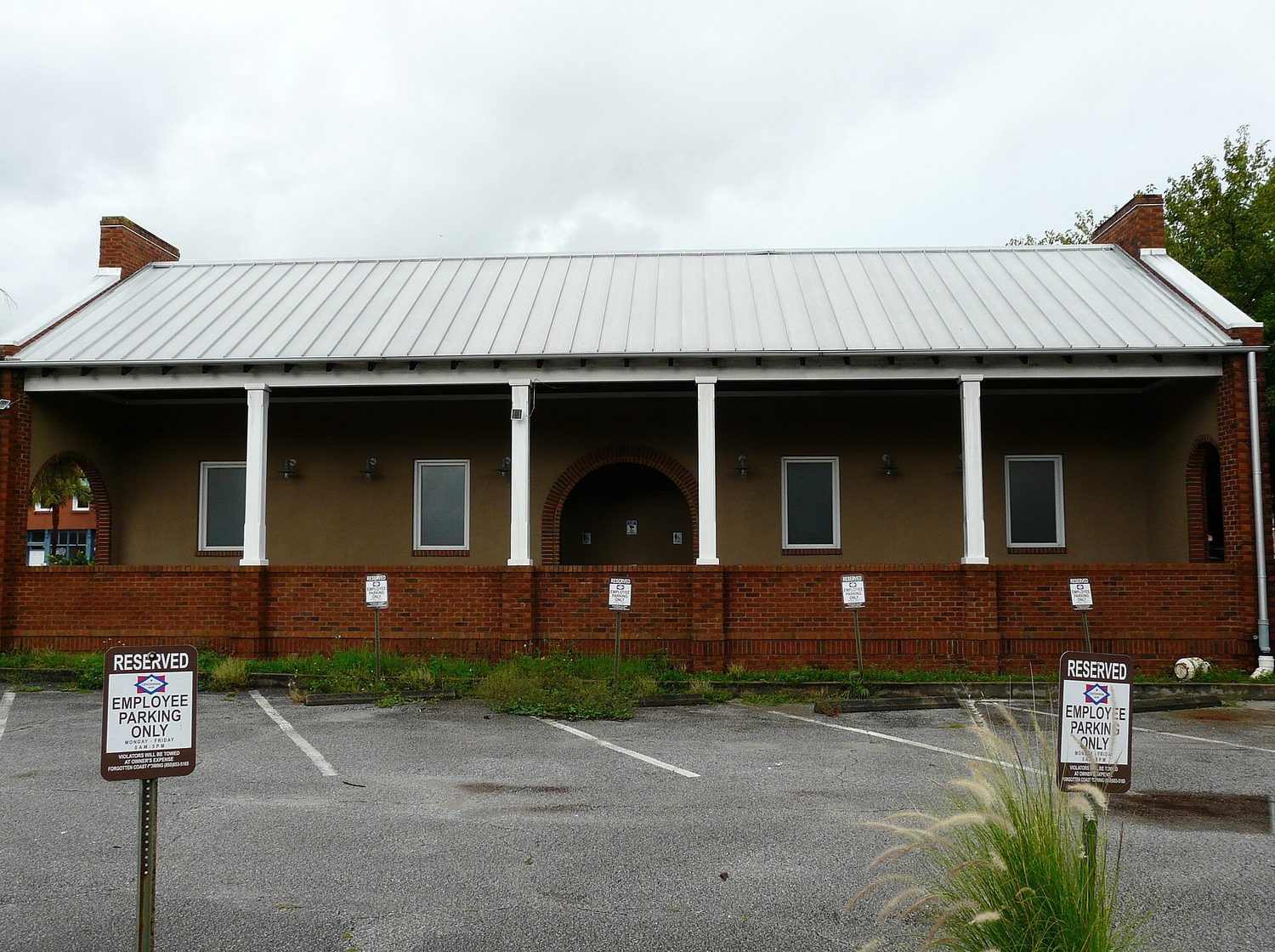
Why the Ice Machine Was a Public Health Breakthrough
Dr. John Gorrie (1803–1855) practised medicine in Apalachicola. After an 1841 yellow fever outbreak, he cooled sickrooms with ice, then built a mechanical ice-making machine. He is recognised as the father of air conditioning and refrigeration. The invention was a direct response to a public health crisis, not a hobbyist's tinkering. Gorrie received an 1851 patent for mechanical refrigeration—the invention the Apalachicola museum was later built to commemorate. That is why the town is called the mother of modern refrigeration: the machine was born here, out of necessity, in a fever ward. The John Gorrie Museum State Park on Sixth Street, whose site was donated to the State of Florida in 1955 and whose one-storey brick museum building was constructed in 1957, exists to make that lineage explicit.
The Town Had Three Names Before It Became Apalachicola
The settlement was incorporated as West Point in 1828 and took the name Apalachicola in 1831. Three names in as many decades: first Cottonton, then West Point on incorporation in 1828, and finally Apalachicola from 1831. Each rename tracked a shift in what the place was for—first a cotton outpost, then an incorporated port, then a river town with a permanent identity. The instability of the name is not a folksy anecdote; it is a record of economic and political repositioning.
Sponges, Timber, and the Railroad Built This Port
Sponging was a mainstay from the mid-1870s: Apalachicola had 16 sponge vessels working in 1879, and by 1895 between 80 and 120 men were employed in the trade. Timber commerce rose from $2,000,000 in 1898 to $13,324,000 in 1903, and the first Apalachicola Northern Railroad engine reached the town on 30 April 1907. These are not decorative facts. They describe a working port whose fortunes rose and fell with extraction and transport. The railroad in particular ended the town's dependence on river and sea alone, binding it to inland markets.
Oysters Were a Canned Commodity From the Start
Oysters were sold locally as early as 1836, and the Ruge Brothers Canning Company was established in 1885 by Herman Ruge and his sons. The product was not a regional delicacy first and a commodity second; it was a commodity from the start, canned and shipped. Seafood here has always been a commercial operation, not just a festival backdrop. The canning company's founding in 1885 marks the moment oysters became industrial.
| Era | Primary Engine |
|---|---|
| 1828–1831 | Cotton and river trade (West Point) |
| 1836–1885 | Local oyster sales, then canning |
| 1870s–1895 | Sponge vessels and labor |
| 1898–1907 | Timber and railroad expansion |
Who Lives in Apalachicola Today: Census Data
The 2020s census figures show a population of 2,304 people, a median age of 51.8 years, and a median household income of $61,083. Of the 1,506 total housing units, 191 are held for seasonal or recreational use, and 323 are vacant. A third of residents (32.9 percent) hold a bachelor's degree or higher, and the unemployment rate is 5.8 percent. The median home value is $247,900, and median gross rent is $1,235. The numbers describe a small, older town with a meaningful second-home presence and a housing stock that is partly empty—pressure points for a place whose economy is now as much about memory as maritime work.
The Seafood Festival Is a Modern Commercial Product
The Florida Seafood Festival is billed as Florida's oldest maritime event, a two-day festival at Battery Park at the mouth of the Apalachicola River that draws tens of thousands. The 2026 edition, on 6–7 November, is the 63rd annual. It packages the town's maritime past for a modern crowd, held on the waterfront green that is also the ground for the town's public life. The festival is a commercial product with a heritage label, not an unbroken custom. Battery Park is the venue; the Orman House Historic State Park on Market Street, whose grounds include the Chapman Botanical Garden and the Three Soldiers Detail South memorial, is the commemorative counterpoint.
Apalachicola's original name was Cottonton, then West Point, then Apalachicola—each change a ledger entry in the town's balance sheet. The oysters and sponges built the port; the ice machine gave it a claim on modern life. The census shows who remains. The festival sells the rest.
Common questions
- What is Apalachicola known for historically?
- Apalachicola is known for its 19th-century industries: sponging, oyster canning, and timber. Dr. John Gorrie built an ice-making machine here in the 1840s to cool fever patients, and he is recognized as the father of air conditioning and refrigeration.
- When was Apalachicola founded?
- The settlement was incorporated as West Point in 1828 and took the name Apalachicola in 1831. Before that, it was called Cottonton, so the town carried three names in as many decades.
- What is the Florida Seafood Festival?
- It is billed as Florida's oldest maritime event, held at Battery Park at the mouth of the Apalachicola River. The 2026 edition, on November 6-7, is the 63rd annual and draws tens of thousands of visitors.
- What can I see at the John Gorrie Museum?
- The John Gorrie Museum State Park on Sixth Street commemorates Gorrie's 1851 patent for mechanical refrigeration. The site was donated to the state in 1955, and the one-story brick museum building was constructed in 1957.
- What is the population of Apalachicola?
- The population is 2,304 people. The median age is 51.8 years. About 32.9 percent of residents hold a bachelor's degree or higher, and the median household income is $61,083.
- Is Apalachicola a good place to buy a home?
- The median home value is $247,900. There are 1,506 total housing units, with 191 held for seasonal or recreational use and 323 vacant. Median gross rent is $1,235, and the unemployment rate is 5.8 percent.
Every business named above is one we hold a listing for, and every date traces to a source on our sources page. We do not describe menus, interiors or service we have not verified. Details change — confirm before you travel.