Guides · Apalachicola, Florida
Apalachicola Wildlife: Where to See It
Apalachicola’s wildlife reads best through its own history—ice, oysters, and timber. Each habitat tells a colder, more exact story.
River Mouth Wildlife: Dolphins and Birds at Battery Park
Battery Park sits at the mouth of the Apalachicola River, a working waterfront green where freshwater collides with the Gulf’s salt. Dawn is the reliable hour. Dolphins move through the channel; birds—cormorants, pelicans, terns—work the same currents the town’s timber fleet once rode. The park also hosts the Florida Seafood Festival, so the view carries a sense of occasion even on quiet mornings.
A short walk north, Apalachicola City Dock offers the same river mouth from a different angle. This is a working dock, not a nature preserve. You watch the fleet go out while egrets patrol the pilings. Both spots are free. Neither requires a boat.
Oyster Bars and Marsh Birds: A Working Habitat
Seafood Landing Park faces the waters that made Apalachicola’s name. Oysters were sold here as early as 1836, and the Ruge Brothers Canning Company ran from 1885. The bars are still active—precisely why they draw wading birds. Herons, ibises, and gulls follow the working boats for the same reason the town did.
The marsh beyond the landing is a nursery for crabs and small fish. The birds know it. This is not a place for solitude; it is a place for watching how a working habitat functions. Respect the watermen’s ground.
Historic Parks with Wildlife: Gorrie Museum and Orman House
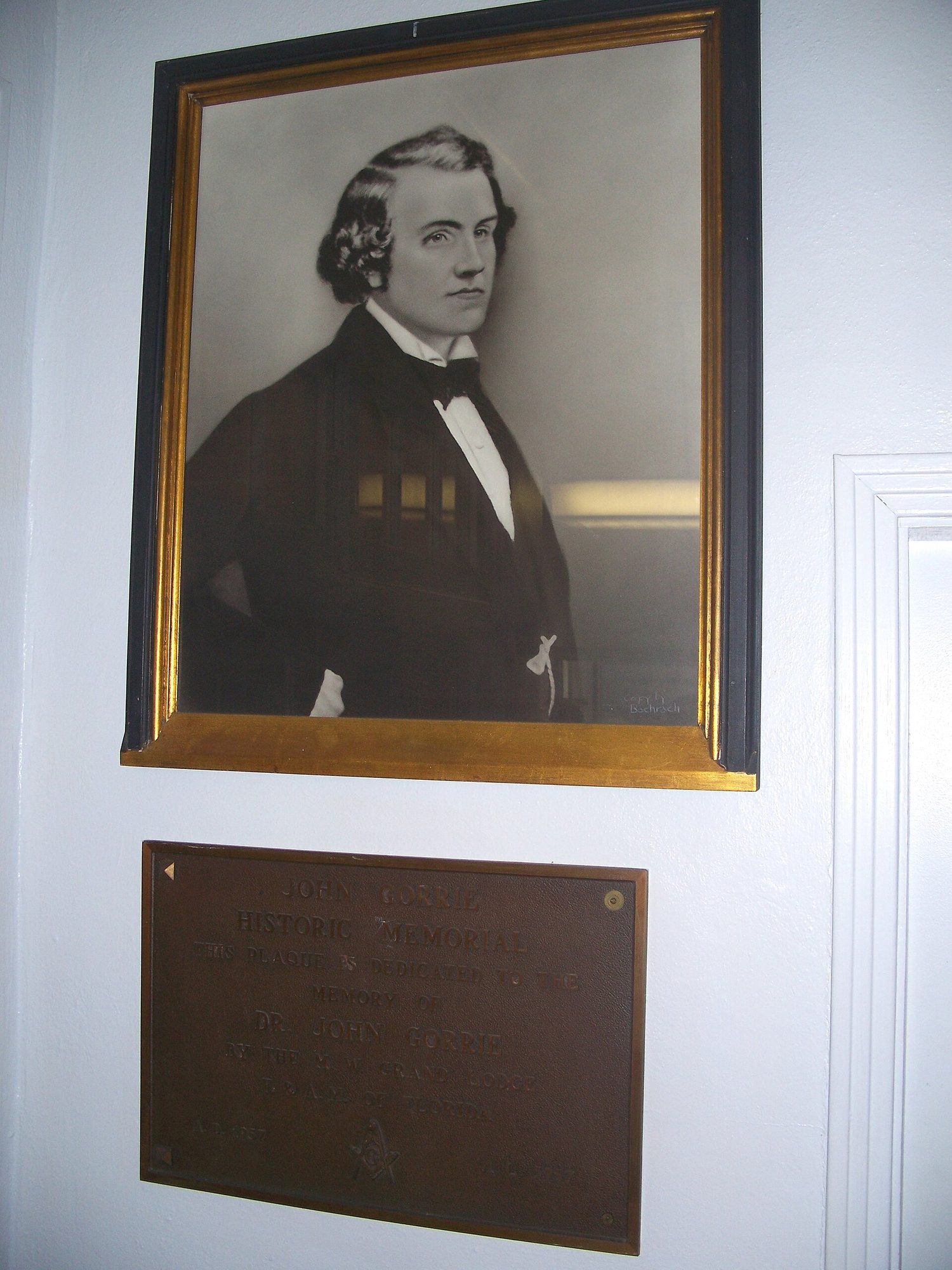
John Gorrie Museum State Park commemorates the doctor who, after the 1841 yellow fever outbreak, built a machine to make ice—patented in 1851. The museum grounds are quiet, shaded, and surprisingly alive with songbirds. The park was donated to the state in 1955, and the brick building followed in 1957. The trees are older than the structure and do the real work of hosting wildlife.
Orman House Historic State Park offers more of the same in a different register. The grounds include the Chapman Botanical Garden, which draws pollinators and the birds that feed on them. The park’s trees are the attraction here—not the house, but the canopy. For a quick stop, this is the most efficient spot: history and habitat in one walk.
Quiet Shoreline Parks for Birding in Apalachicola
Lafayette Park and Apalachicola Dog Park are small, unremarkable green spaces that function as stopovers. Migratory birds use any patch of trees they can find on the Gulf coast; these parks are no exception. Lafayette Park is the better bet for birding. The Apalachicola Dog Park is for locals with dogs, though the same trees attract warblers in season.
These are not destinations. They are the kind of parks you notice when you are already walking somewhere else. Carry binoculars and check the edges, not the middle.
Wildlife Charters: See Dolphins and Birds from the Water
If you want to see what the river mouth and marsh only hint at, the charter fleet at 1 Bay Ave is the direct route. Apalachicola and St. George Island Fishing and Cruises, Apalachicola Charters, Apalach Anglers, and Apalachicola Airboat Adventures & Boat Tours all operate from the same dock. Apalachicola Airboat Excursions is just across at 2 Bay Ave. The captains know the local waters—where the dolphins run, where the birds feed, where the fish hold.
A half-day trip is worth it if your goal is specific: seeing a large concentration of birds on a sandbar, or watching dolphins work a channel. If you only want a glimpse, the parks will do. If you want the full picture, a charter is the difference between looking at the water and being on it.
Other operators—Apalachicola Saltwater Charters, Book Me A Charter, Williams Fishing Adventures, Captain JB Charters Inc.—run from nearby slips and streets. Rates vary. The waters are the same.
The Seasonal Turn: When the Wildlife Changes
The Florida Seafood Festival, billed as Florida’s oldest maritime event, runs 6–7 November 2026 at Battery Park—its 63rd annual edition. The festival marks the turn. Cooler weather arrives, and with it the migratory birds that winter along the Gulf coast. Expect ospreys, raptors, and large flocks of wading birds moving through.
Summer is the slow season for birds but the fast season for fish and dolphins. Winter is the opposite. November is the hinge, and the festival is the town’s way of marking it. If you are there for the seafood, stay for the birds.
Where to See Wildlife by Type of Spot
| Spot type | Best for |
|---|---|
| River mouth parks | Dolphins, pelicans, cormorants, working waterfront views |
| Working marsh parks | Wading birds, herons, ibises, crabs |
| Historic grounds | Songbirds, pollinators, shaded canopy |
| Small shoreline parks | Migratory stopovers, warblers, local reptiles |
| Charter boats | Dolphins, large bird concentrations, open-water species |
The Practical Answers
Dolphins and birds without a boat: Battery Park and Apalachicola City Dock, at dawn. Quick wildlife stops: John Gorrie Museum State Park and Orman House Historic State Park. A charter is worth it for the open-water experience, not for the basics. In November, the festival brings crowds and the season brings migrants. And the historic sites—Gorrie’s ice, Orman’s gardens—are also the most reliable places to see the town’s quieter wildlife.
The town’s population is 2,304 people, with a median age of 51.8 years. There are 1,506 housing units, 323 of them vacant. The median home value is $247,900. Apalachicola is a small place. The wildlife is not hidden—it is just part of the working water.
Common questions
- Where can I see wildlife around Apalachicola?
- Battery Park, Lafayette Park, and Seafood Landing Park are public green spaces along the waterfront where you can observe birds and marine life. The Apalachicola River and bay areas are natural habitats. No specific wildlife tours are listed, but fishing charters can take you into the waters.
- Are there any parks with nature trails in Apalachicola?
- Battery Park, Lafayette Park, and Seafood Landing Park are nature parks in Apalachicola. Orman House Historic State Park also has grounds including the Chapman Botanical Garden. The parks are rated 4.5 to 4.7, but trail details are not provided.
- Can I go fishing or take a boat tour to see wildlife?
- Yes. Several charter services operate from Apalachicola, including Apalachicola and St. George Island Fishing and Cruises, Apalachicola Charters, and Apalach Anglers, all rated 5.0. They offer fishing and cruise trips, which can provide wildlife viewing opportunities on the water.
- What is the best time of year to visit for wildlife?
- The Florida Seafood Festival in November draws crowds, but wildlife is present year-round. The town's median age is 51.8, suggesting a quieter pace. Seasonal homes account for 191 of 1506 housing units, indicating peak visitors in cooler months. No specific wildlife seasons are listed.
- Is there a museum about the ice machine inventor and local history?
- Yes, the John Gorrie Museum State Park on Sixth Street commemorates Dr. John Gorrie, who built a mechanical ice-making machine after an 1841 yellow fever outbreak. The site was donated in 1955 and the museum built in 1957. It is rated 4.3 from 85 reviews.
- Are there any dog-friendly parks for wildlife walks?
- Apalachicola Dog Park is a nature park rated 4.2 from 85 reviews, located at 183-189 Ave L. It is specifically for dogs. Other parks like Battery Park and Lafayette Park may allow pets, but no specific rules are provided.
Every business named above is one we hold a listing for, and every date traces to a source on our sources page. We do not describe menus, interiors or service we have not verified. Details change — confirm before you travel.